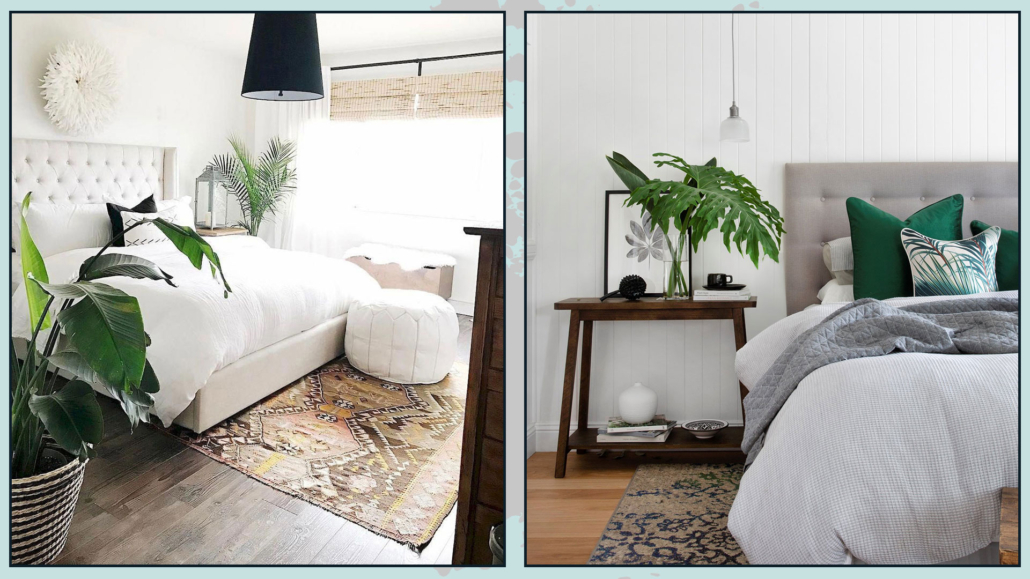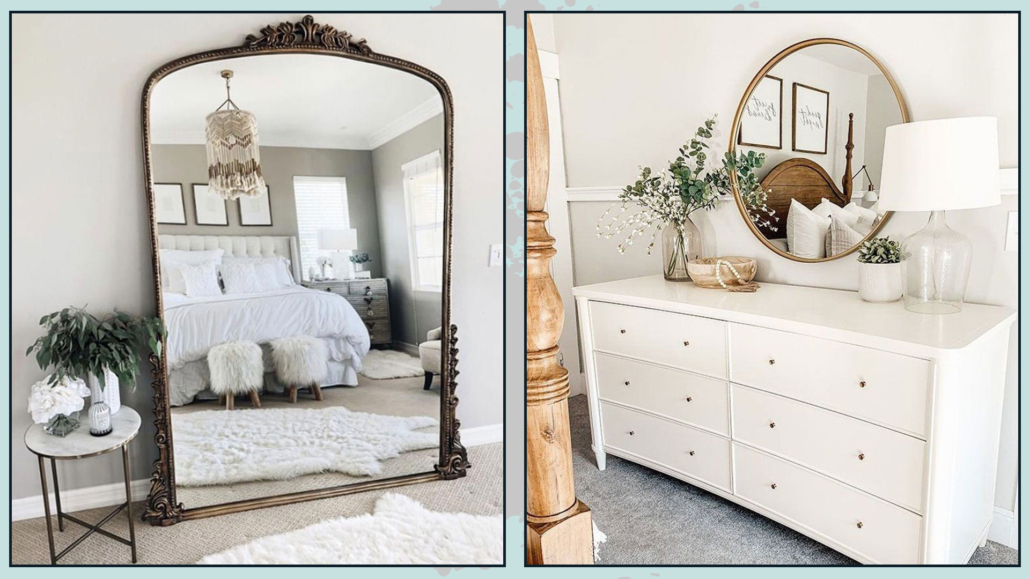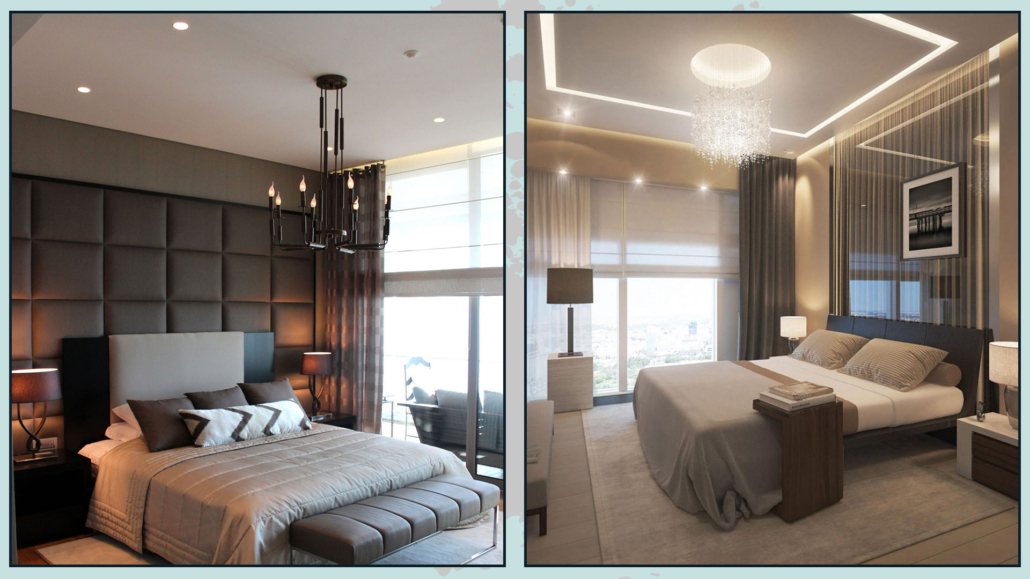
Posts

A defining element in the bedroom is the headboard because it somehow determines the style and mood of the whole room.

I have already covered the topic of the bedroom with tips on how to decorate it in general and how to decorate the bed wall in particular; today, I would like to focus on this detail, which can actually make a real difference!

Of course, there are bed frames that already feature a headboard, and honestly, you can really find all kinds and tastes of them.

But, if you are an imaginative person and want to customize the headboard to your liking, you can do so, just buy a sommier bed, that is, a bed that has only the base!

Let’s now see some types of headboards to choose from!

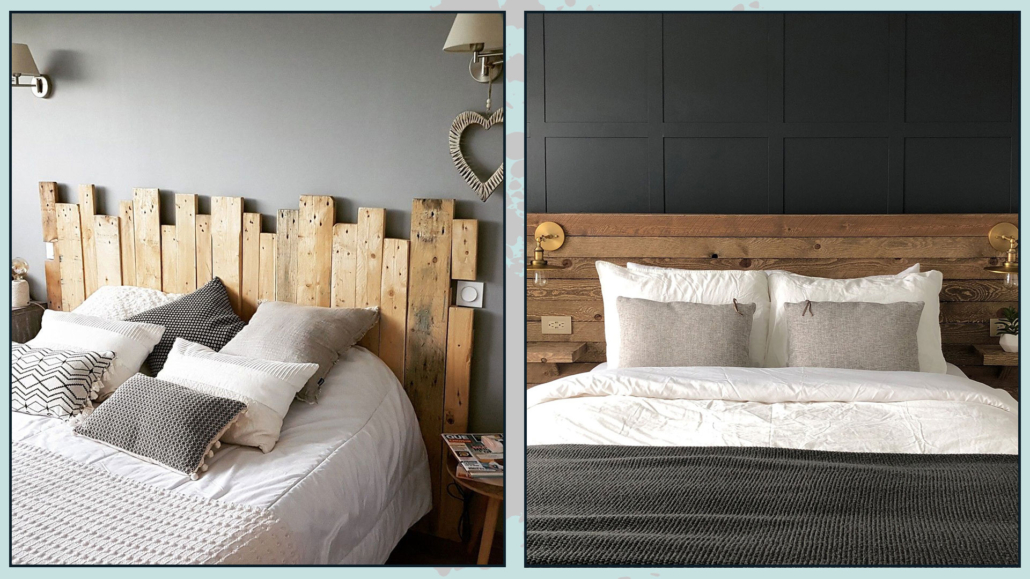
1 – WOODEN

Wood is a versatile and, if desired, low-cost material for a headboard.

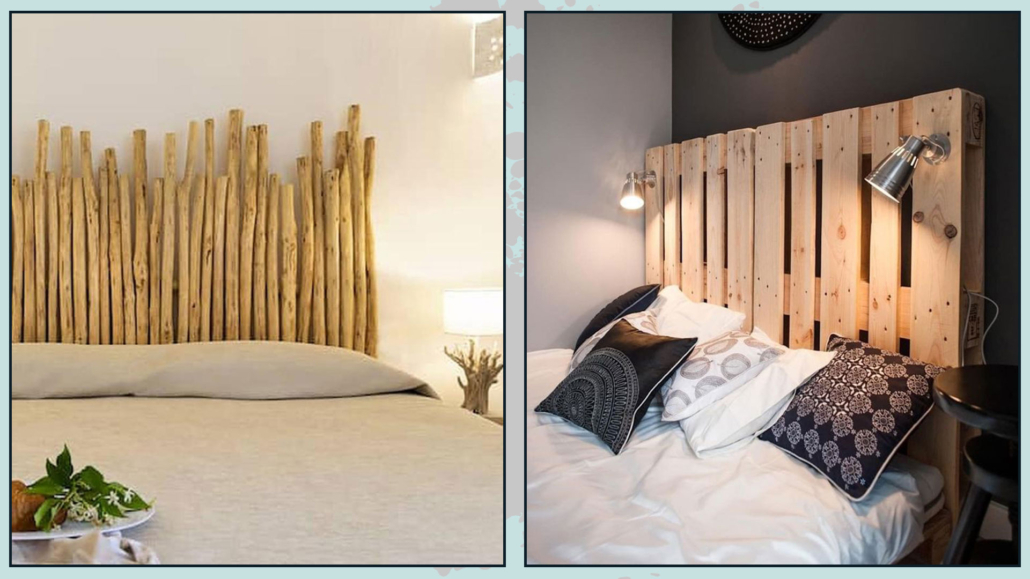
The easiest solution is to use wooden planks vertically or horizontally!
(credit: shop8.onlinestoresoutlet.ru; colorsandcraft.com)

You can use bamboo rods or thin logs, or even, you can use pellet pallets.

With pallets, you could also create side niches using their thickness.

(credit: booking residence-capraggia.de; shop04004.shadrychant.com)

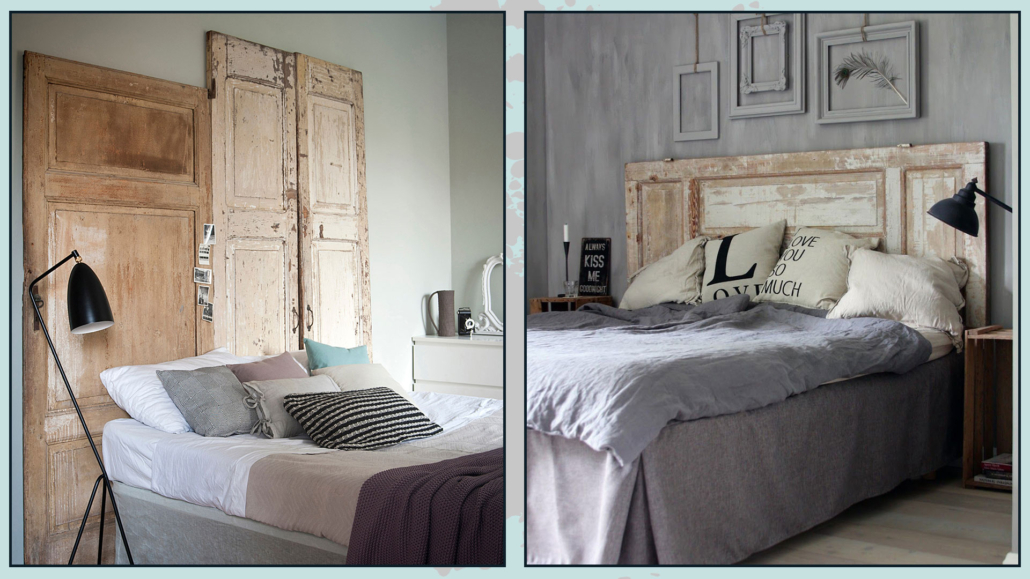
In all cases, you can leave the wood raw, pickle it for a shabby style, or stain it with the colors you have chosen as a palette.

You could also make a low boiserie that takes the length of the wall, or even, for an original idea, you could think of using one or two old doors!
(credit: mondadori editore; var-dags-rum)

2 – PADDED

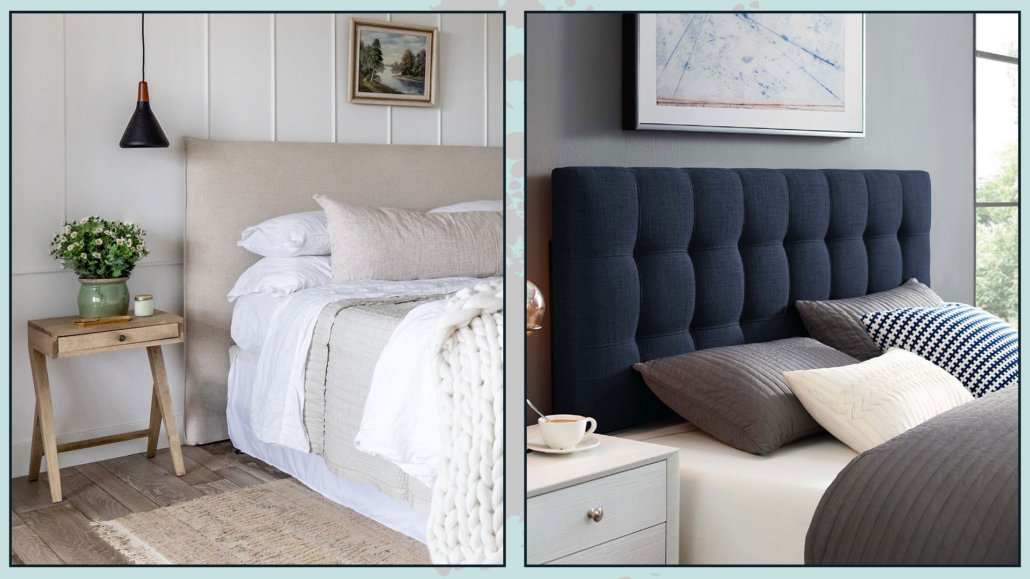
You can find pre-made ones on the market, you can have it made by an upholsterer, but if you want to, you could make it yourself by creating something really unique!

All you need to do on your own is a wooden panel, some foam, and the fabric you like.

You can make it smooth for a more modern room, but if you have craftsmanship, you can also do some work like the quilted effect for a classic bed!

(credit: Holms Homes; overstock)

It must be well-padded for a more elegant and refined effect.

You can choose a headboard in fabric, velvet, as well as leather, or faux leather for a more impactful effect!

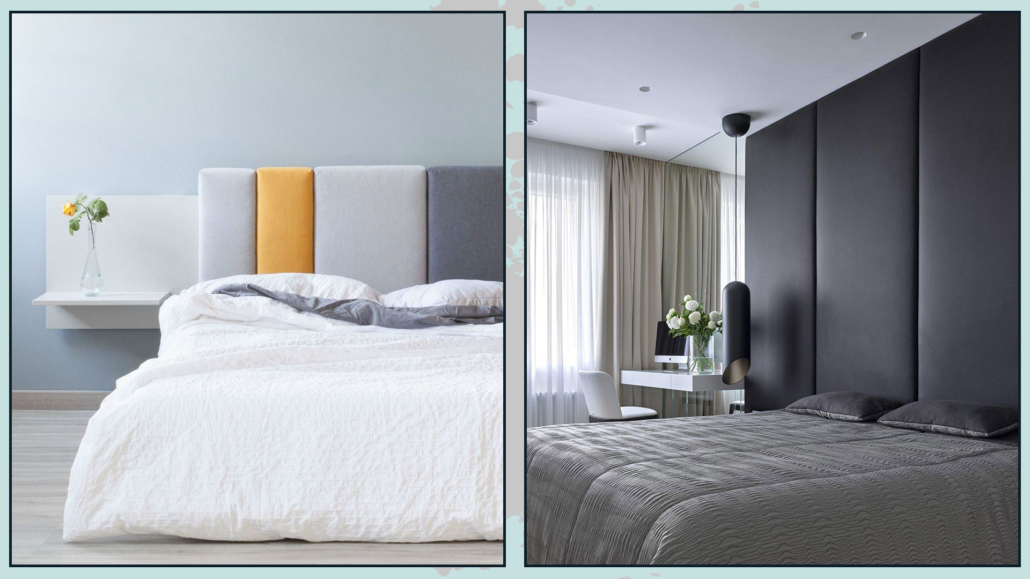
There are also modular panels and modules on the market for a unique and original bed headboard!

If you like, you could even cover the whole wall with these modular modules!

(credit: archiproduct.com; Alessandra Fedorova)

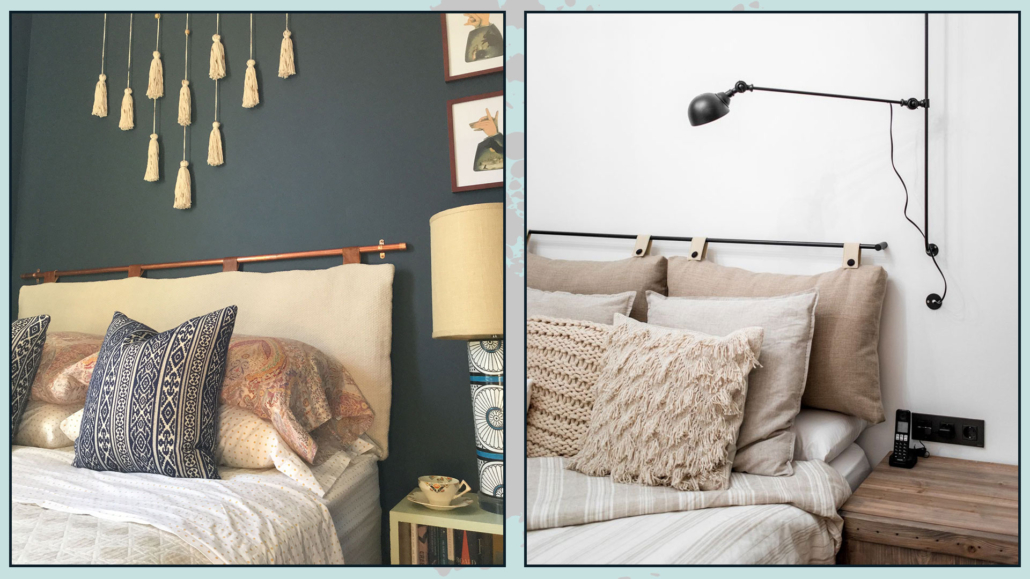
3 – WITH CUSHIONS

If a fully padded headboard seems too much, but you like the idea of something soft, you might want to think about hanging pillows!

They will be cushions (two separate ones or a single one doesn’t matter) with large loops to be stuffed into a rod and hung on the wall!

The rod can be a simple curtain pole and can be of wood or metal: the important thing is that it is at least as long as the bed.

(credit: @sarahmontgomerydesign; drom living)

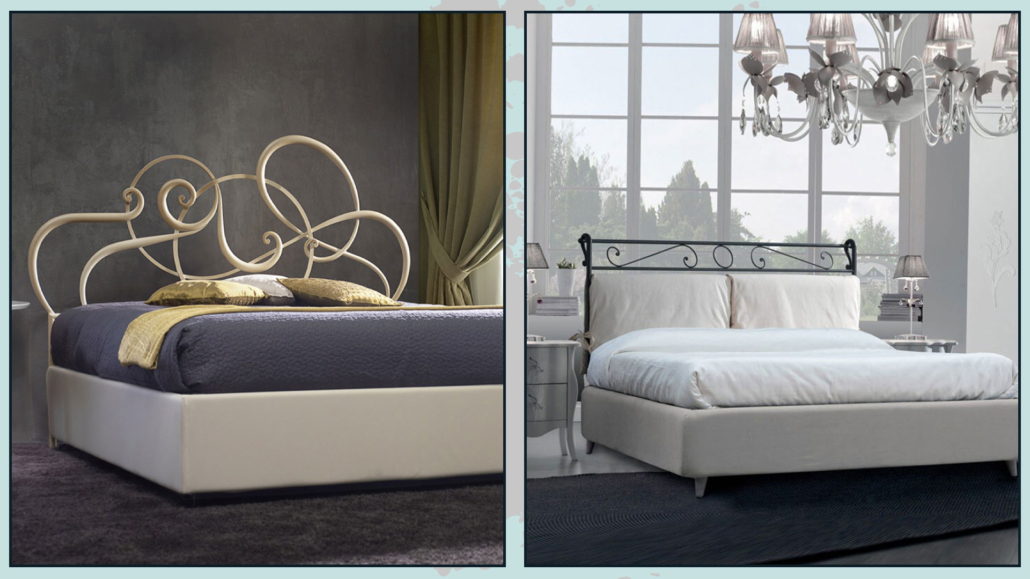
4 – WROUGHT IRON

It is not mandatory to have the entire wrought iron structure: you can only have the headboard!

Here too, there is plenty of choices, from simple and linear headboards to very elaborate ones.

You can also have a padded wrought iron headboard or attach cushions to it, to maintain the charm of the iron as well as the comfort of the padding!

(credit: cosatto; aliexpress)

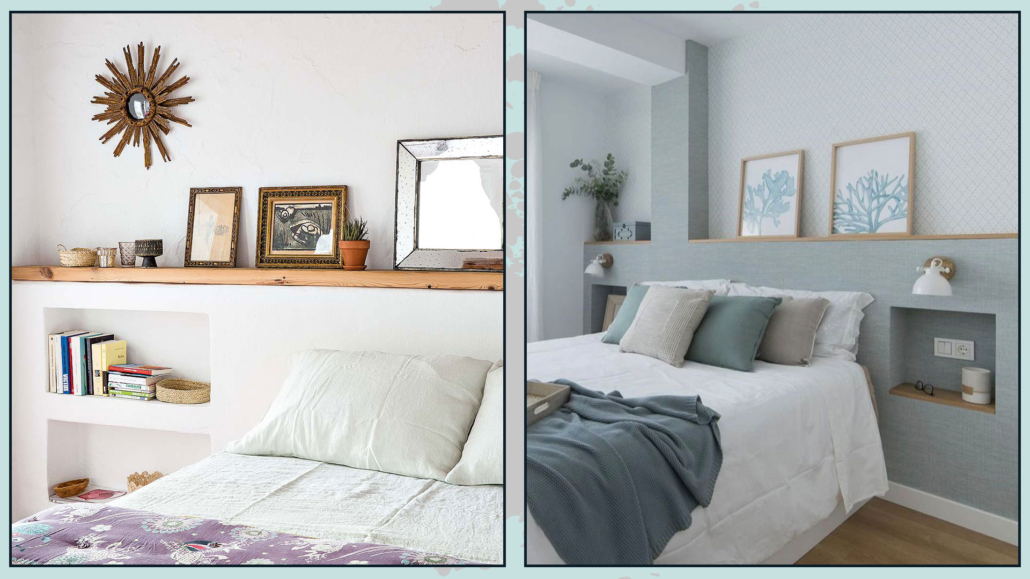
5 – MASONRY

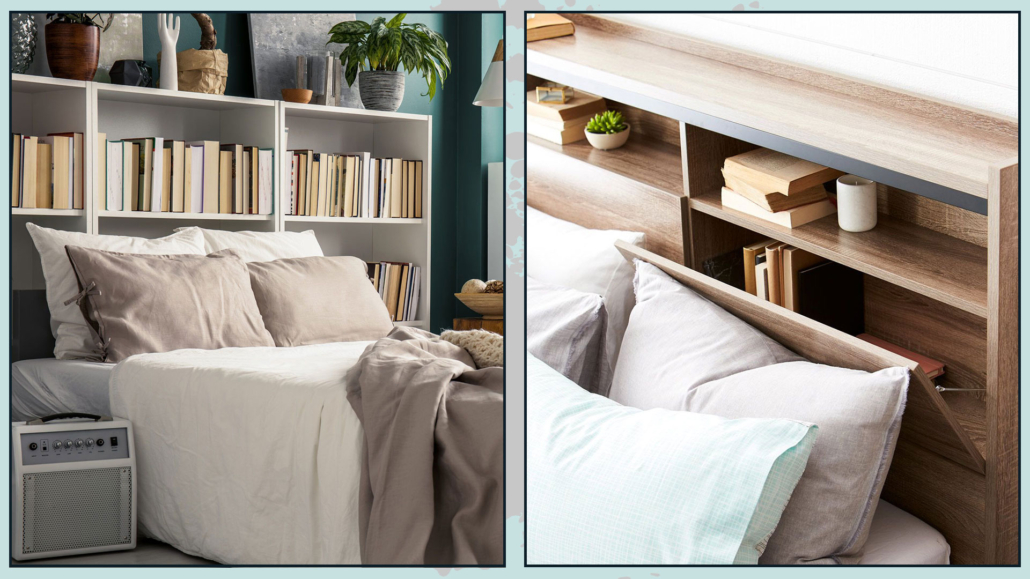
It is possible to create a small counter-wall, in masonry or plasterboard, which can be as long as the wall, or just a little wider than the bed, at the desired height.

In this counter wall, you can make niches that can act as bedside tables.

If this wall is high enough, you could think of a long niche at the top.

(credit: Jover Construcciones; @vevamall)

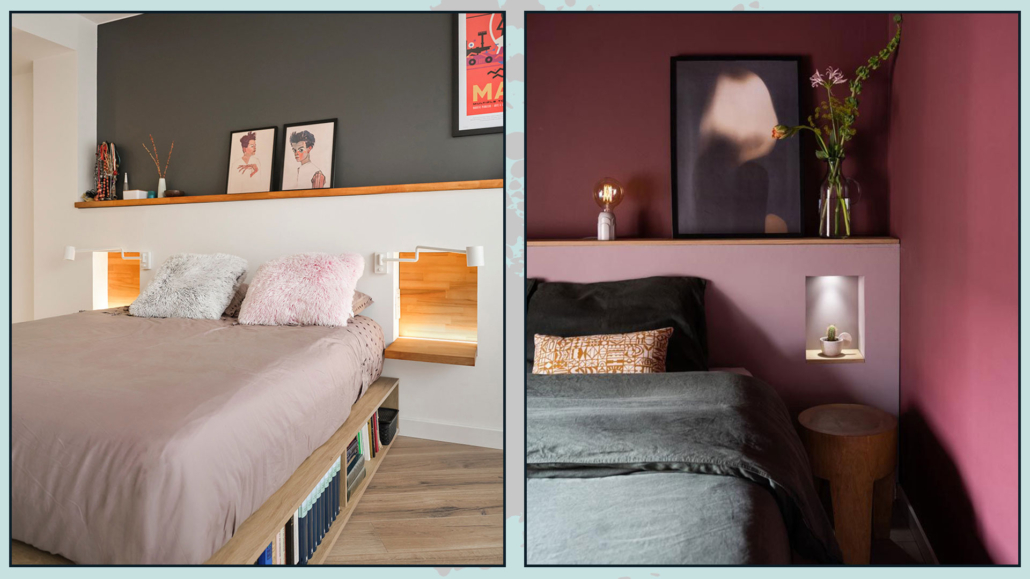
Finally, the thickness of this wall will serve as a shelf to rest what you prefer, from decorative objects to lamps!

Of course, these niches can also be illuminated, thus creating a bit of play and atmosphere.

(credit: estudiomatmata.es; Ons Haarlemse Huisje)

6 – WITH FURNITURE

Do you like the idea I gave you before but don’t want to do the masonry work? You can use a piece of furniture!

It can be a low, perhaps modular bookcase: you would always have the top shelf and space to use as a nightstand, actually freeing up space near the bed.

(credit: iStock; uoifa.com)

7 – DRAWN

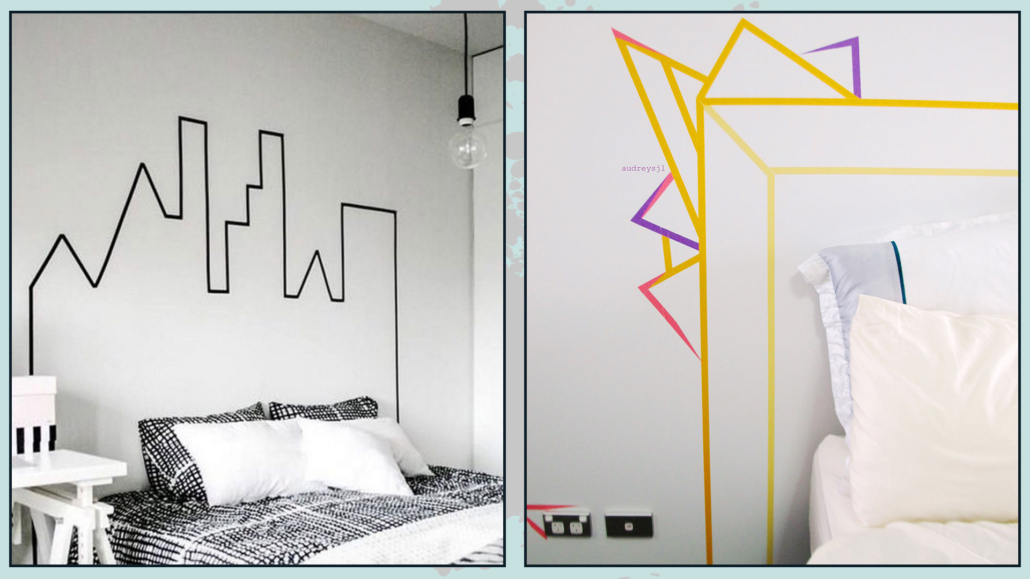
Why not draw it? Nowhere is it written that the headboard must be something physical!

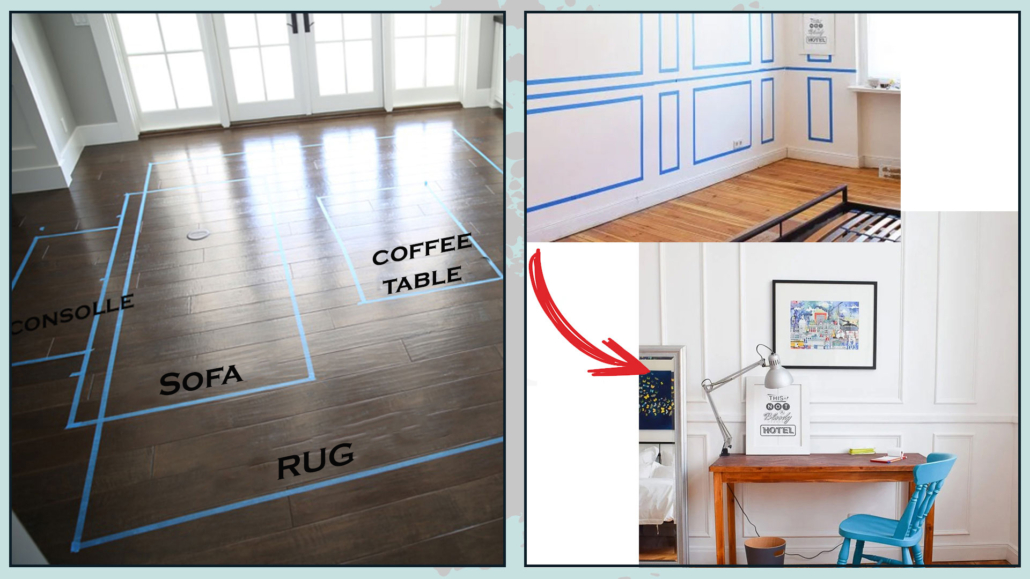
If you are an original person, you can draw a headboard of the shape and size you want: using stickers or washi tape.

(credit: clemaroundthecorner.com; audreysjl)

This solution would allow you to change the headboard whenever you want, just detach the tape and create a new one.

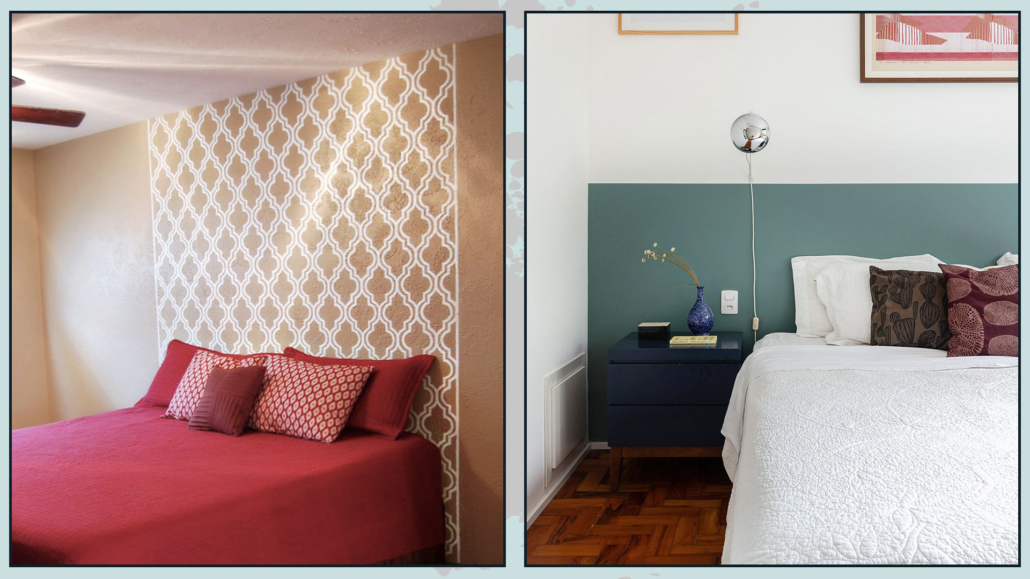
You can use the stencil and, again, give your headboard the shape you want or just use color blocking!

(credit: Sarah Cooper; historiasdecasa.com.br)

8 – WITH TILES

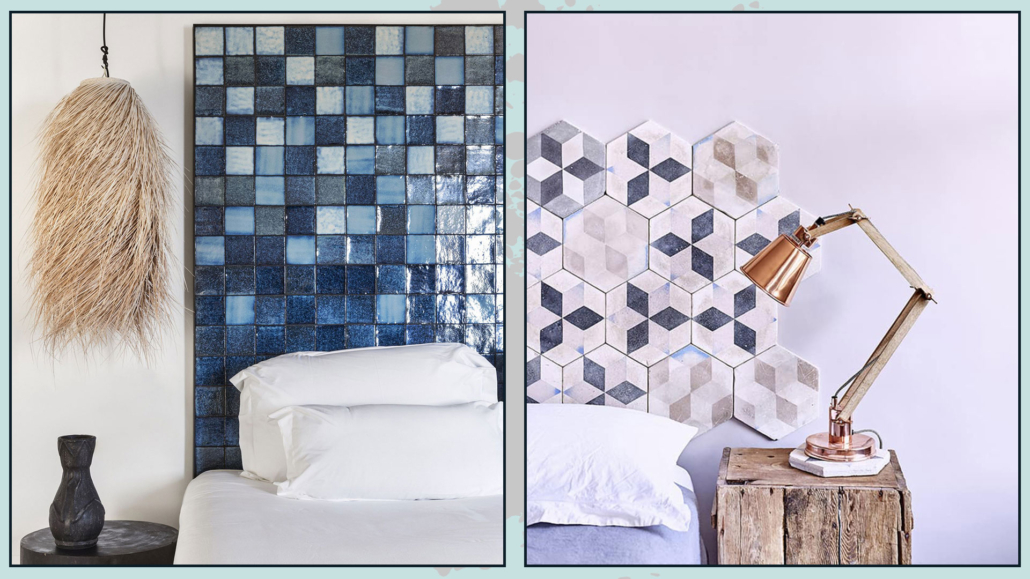
That is not a solution you often see, but you can also make the headboard of your bed with ceramic tiles or porcelain stoneware, the same used for the coatings of bathrooms and kitchens.

Like the masonry option, this is a more “invasive” and, I dare say, definitive solution, but also of considerable scenographic impact.

The modularity and various tile sizes allow you to create a wide variety of wall designs.

Here you can really give space to your imagination!

A not insignificant advantage of this solution is that it is really easy to clean, thus being very hygienic!

(credit: beriestain.com; Patchwork Harmony)

Which of these ideas did you like the most? Let me know in the comments!!!

Whichever type of headboard you choose, remember that for a regal and distinctive look of the bed and the room in general, the headboard will have to be huge!

I hope this article was helpful and you enjoyed it; in case, let me know in the comments!

Feel free to share the article with anyone you think might be interested, I will be honored and it will help me get my name out there.

And if you need advice for your home, do not hesitate to contact me!

Who doesn’t love the idea of having a luxurious and sophisticated living room?

But is it necessary to spend crazy amounts of money to have such a living room?

No! It is not mandatory: some tips and tricks will help to achieve great results without having to “splurge”!

Let’s see them together

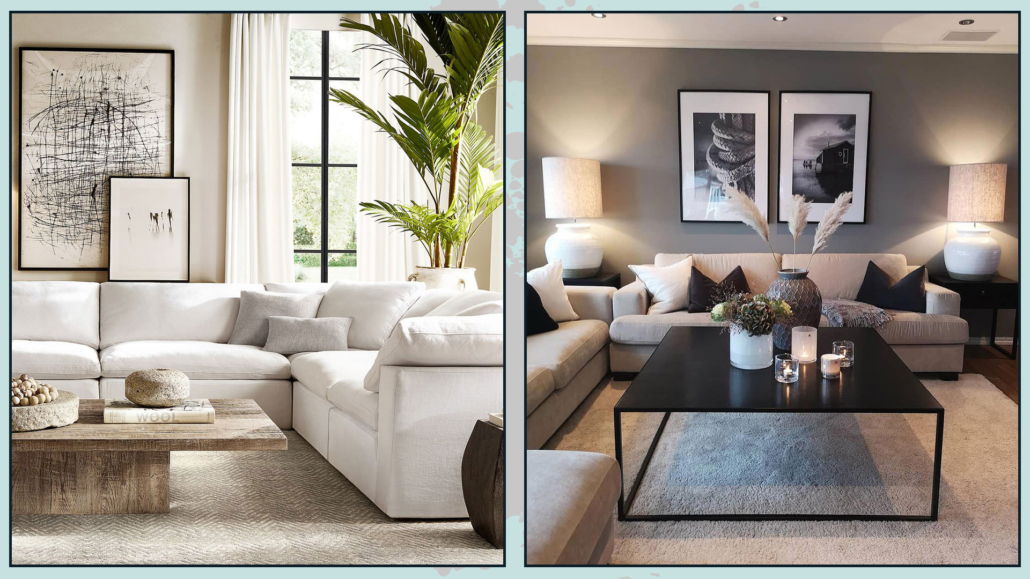
1 – COLORS: START FROM A NEUTRAL BASE

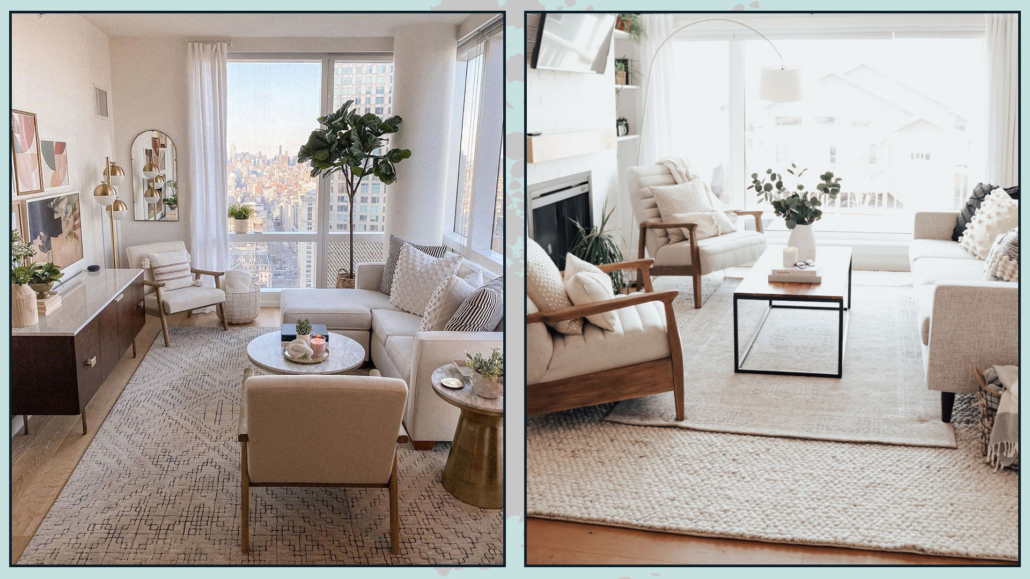
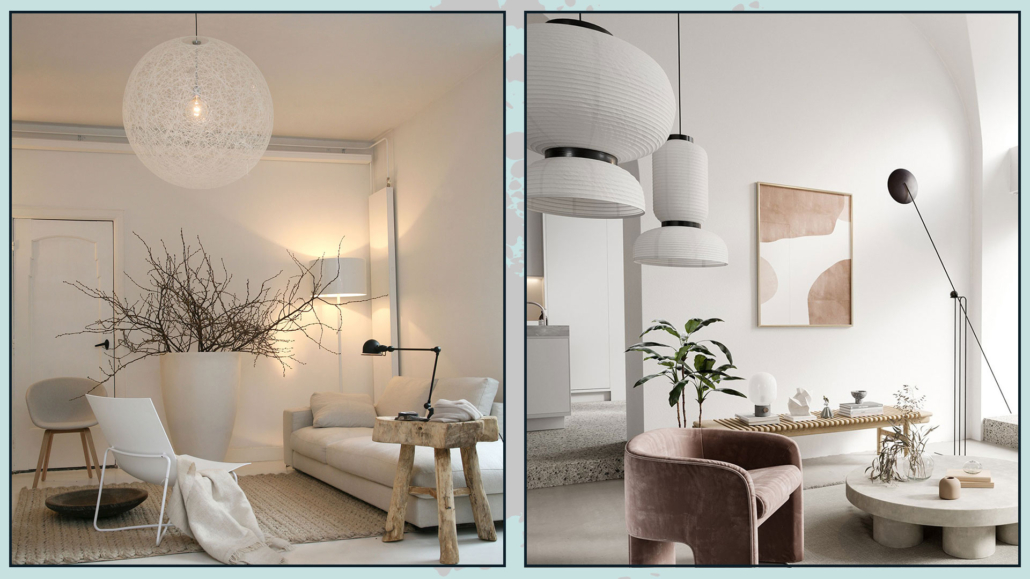
Luxurious environments, regardless of style, have in common that they use neutral colors, at least as a base.

Neutrals make spaces relaxing, elegant, and sophisticated, and because of their versatility, they match any style!

Use neutrals for walls, floors, and larger furnishings, then give them a pop of color with smaller furnishings and decorations!

I remember that when I talk about neutrals, I am not just talking about white, gray, and beige, but any color to which a lot of white (to get a light neutral) or a lot of black (for a dark neutral) is added.

Adding white or black to the color will allow color lovers to not give it up!

The neutrals thus obtained will lose their exciting component but will maintain the mood of that color that will still remain in the background.

If you want to learn more about neutral colors, I describe them in detail here!

(credits: rh.com; interiorbutikker.no)

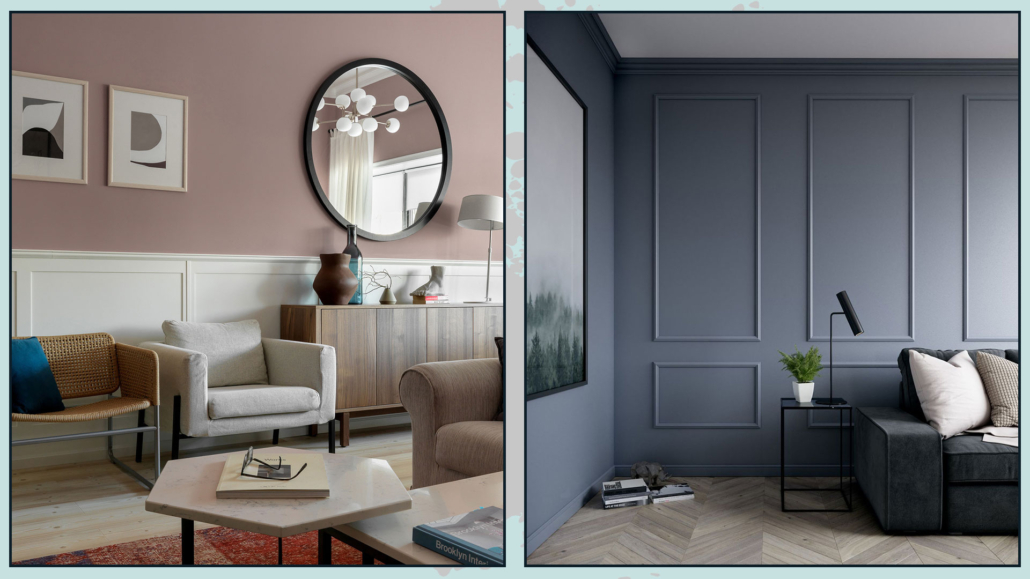
2 – BOISERIE AND MOLDINGS

Moldings on the walls help give some movement and depth to the room, especially when you have neutral-colored walls.

They also provide textures and warmth, make the room more “rich”, and create visual interest.

Simple and linear moldings go very well with modern or contemporary styles but also with the minimalist one.

The slightly more elaborate ones will go better with the classic style!

You can use low paneling, about a meter high, this has a high visual impact giving importance to the room, especially if colored differently from the wall.

If you make this paneling a little overhanging, you can use this shelf to put decorative objects or frames on it!

Alternatively, but also in addition, you can use full-wall moldings to create frames that will give a very stylish and sophisticated effect.

It is better, in this case, to keep the same color between the wall and the boiserie.

(credits: Sergey Krasyuk; leroymerlin.fr)

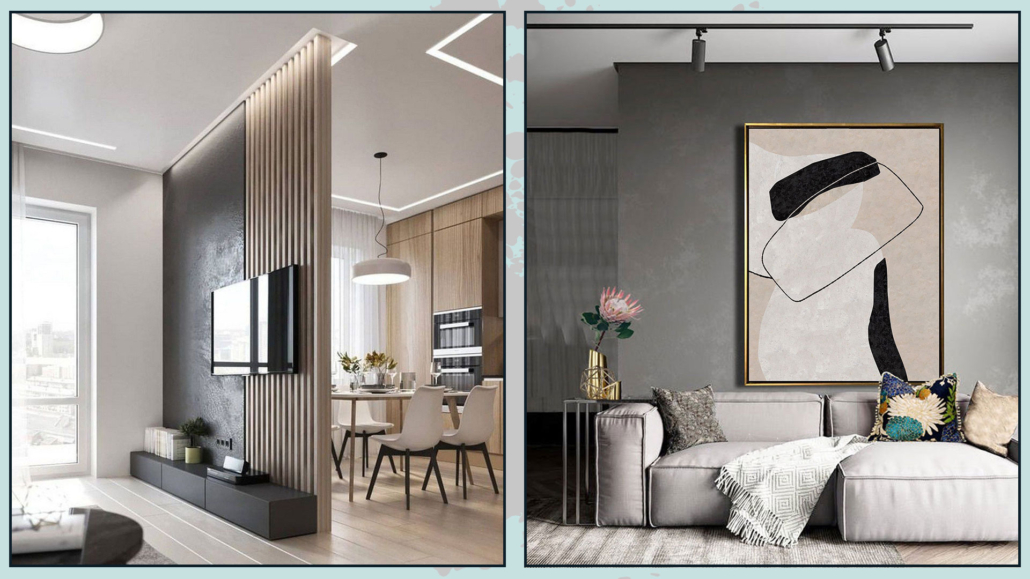
– CREATE A FOCAL POINT

The focal point is an essential element in interior design: it catches the eye by creating visual interest!

It is always relevant, but it becomes even more so when you want to make your environments sophisticated and luxurious!

In the living room, the focal point can be the sofa wall or, if well-designed, the TV wall!

For the lucky ones, of course, it could be a beautiful fireplace or a window with a stunning view.

It must be something that “dominates” the rest of the room and around which everything else revolves.

You can use a different wall color to make what is placed next to it stand out.

You could also use a particular wallpaper, a large mirror, or an important painting.

The focal point doesn’t need to be the wall; it could be the sofa itself or a piece of furniture perhaps of particular value (not necessarily economic value!)

(credits: Shiri Ganesh Home Solutions; Etsy- ArttideArt)

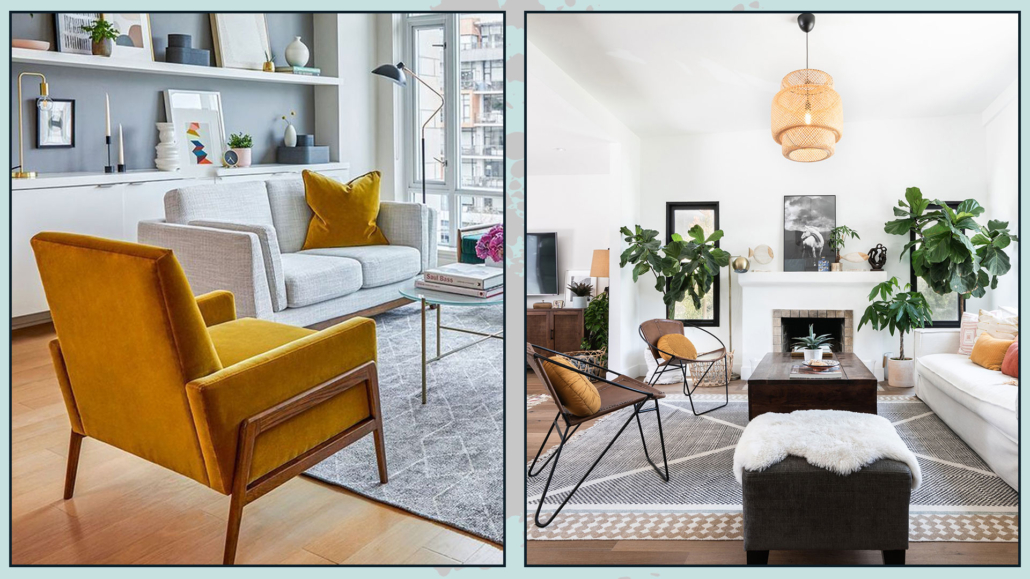
4 – CONTRASTING SEAT

Buying coordinated furniture, we have seen it before, is a “mistake” that people often make, for fear of making a wrong…

So people often buy the sofa-armchair set and, in fact, miss out on great opportunities.

For a more luxurious, sophisticated, and studied living room, it is a good thing to have one or two seats contrasting with the sofa.

Different shapes, textures, and colors will break the monotony and make the environment even more interesting, giving it character.

If the seat is totally different from the sofa, “justify” it by picking up the color in the covers of the decorative pillows: this will harmonize the whole thing!

(credits: article.com; textureliving.com)

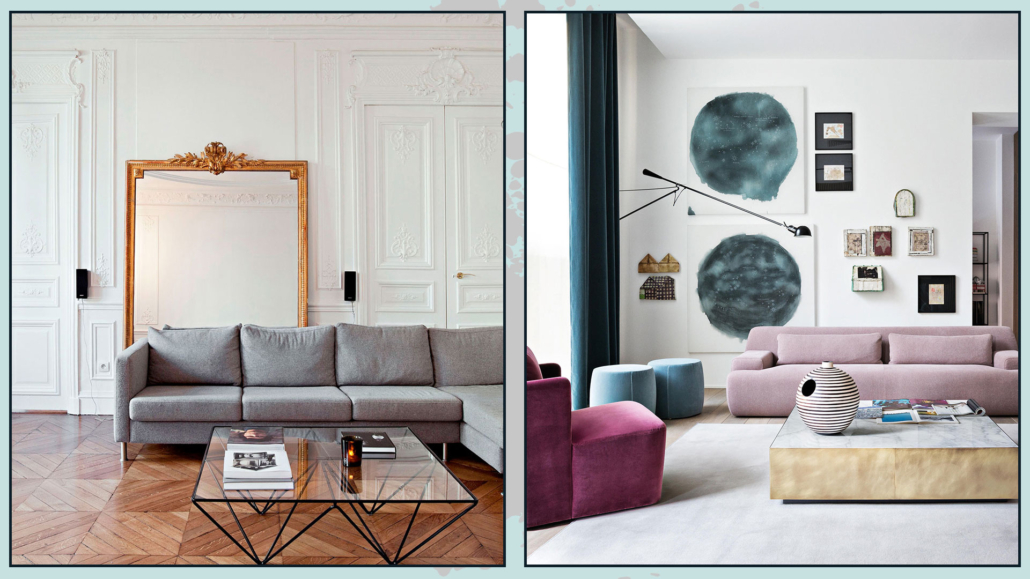
5 – MIRRORS (AND PICTURES)

Mirrors amplify space and natural light, making the environment more refined, elegant, and luxurious.

Ideally, put them near a window to amplify the light as much as possible; however, be careful what it reflects, that it is a tidy area, or you will duplicate the clutter!

Dare with even oversized mirrors resting on the floor: you’ll give an extra touch of character; by doing so, the mirror could become the focal point of the living room!

That also applies to paintings: compositions of several small-medium-sized paintings are all right, but if you want something to make the living room look more luxurious and sophisticated, then dare with large ones!

They have a higher visual impact and make the environment less stuffy, more linear, and clean!

(credits: living-corriere; Meridiani living)

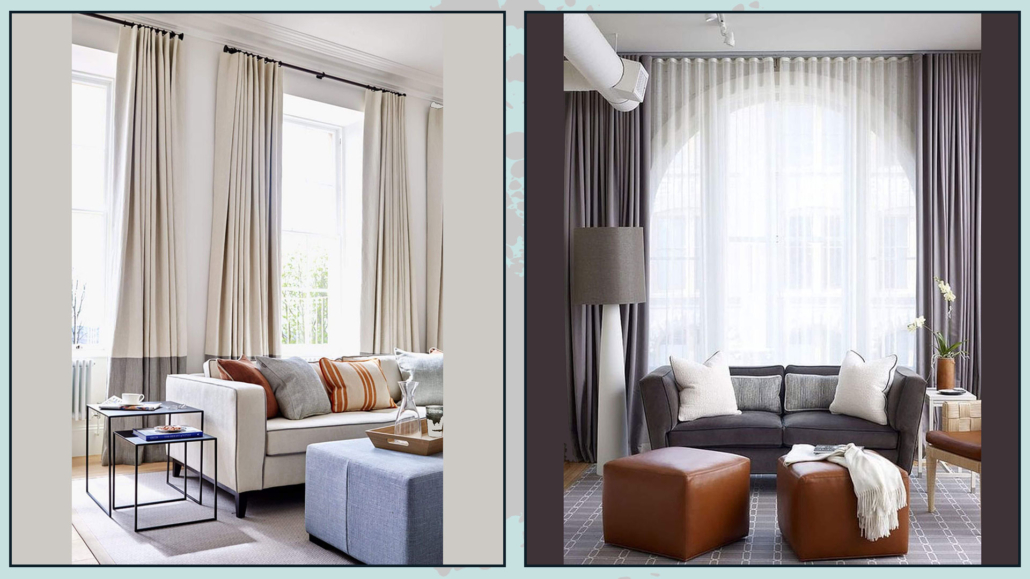
6 – CURTAINS

Curtains, in general, dress a home by bringing warmth, texture, and color.

They become significant when you want to add a touch of elegance and luxury to your living room.

They don’t have to be super expensive because it’s their scenic effect that changes the perception of the environment!

The best choice, in this case, is drapery curtains, perhaps a double curtain, with a filter curtain and a blackout curtain always open at the sides.

The double curtain brings a bit of contrast and color, making the living room even more elegant and luxurious.

For a perfect result, the rod should be as close to the ceiling as possible to enhance the heights and give more breathing space to the window.

When ceilings are really very high, the rod should still be placed at least 15-20 cm above the window.

It is also important that the stick is wider than the window by at least 10 cm on each side so that the curtain, when open, does not block the passage of light.

The curtain then can rest lightly on the ground or barely touch it; short curtains shrink the room and look “unfinished”!

(credits: pinimg.com; Tom Stringer)

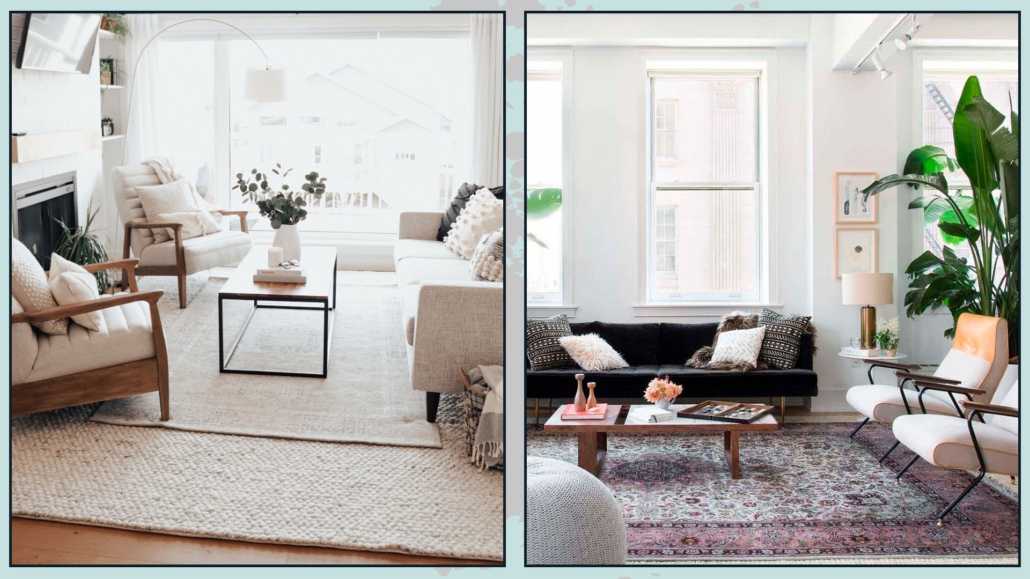
7 – RUGS

I know this point is controversial because many people do not like rugs, yet, in the living room, it is an essential element to make it elegant and sophisticated.

The rug brings warmth and texture, but most importantly, it ties the elements together!

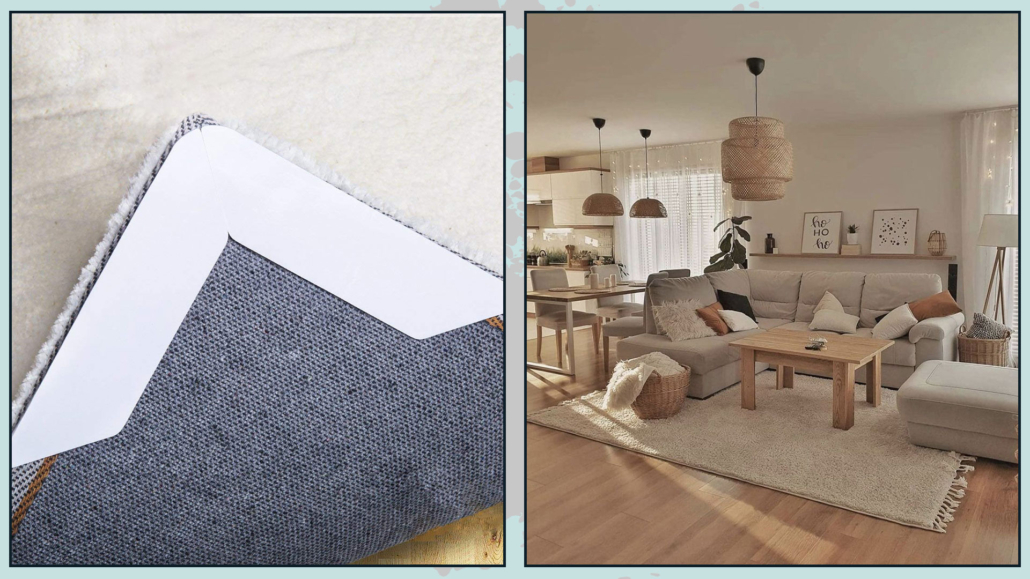
A large rug that encloses the sofa, seats, and coffee and side tables will create a conversation area, a more intimate and welcoming environment.

I’m talking about rugs here!

(credits: theblushhome.com; @homepolish)

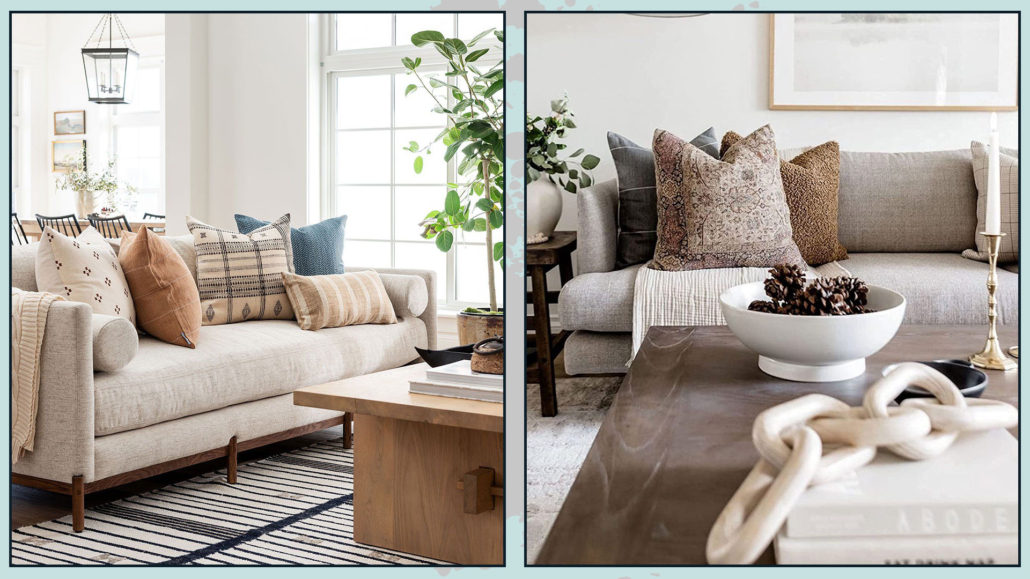
8 – PILLOWS

Dressing the sofa with some decorative pillow (and maybe a blanket) is extraordinary for a luxurious living room!

The pillows, such as the curtains and the rug, bring texture and color, and this creates rhythm and contrast.

It is important to alternate between large patterns, solid colors, smaller patterns, and even geometric designs (I’m talking about how to mix patterns here).

Also, use different textures by alternating smoother fabrics with rougher and more worked ones; this tip will make the sofa look more sophisticated and elegant.

A little trick for pretty puffy pillows: get the inside of a material that can be easily “molded” like down and then always take it a little larger than the lining (example: 45×45 pillow with 40×40 lining).

(credits: studio mcgee; french.alibaba.com)

9 – LIGHTS

Artificial lighting will play a significant role in the final result!

First of all, there must be good general light for visual comfort, but ambient and task lights (perhaps near the sofa for reading) should still be added to the general one.

Having multiple types of light helps create contrast and depth.

Where possible, use dimmable lights to manage the intensity of the light as needed!

Then, in choosing lights, be daring, as with mirrors and pictures: get large, distinctive chandeliers or floor lamps that immediately grab attention!

(credits: nomadbubbles.com; Bronxes Studio)

10 – SEARCH FOR PARTICULAR ITEMS

When looking for decorative accessories, avoid ordinary objects; instead, search for unique and out-of-the-ordinary items.

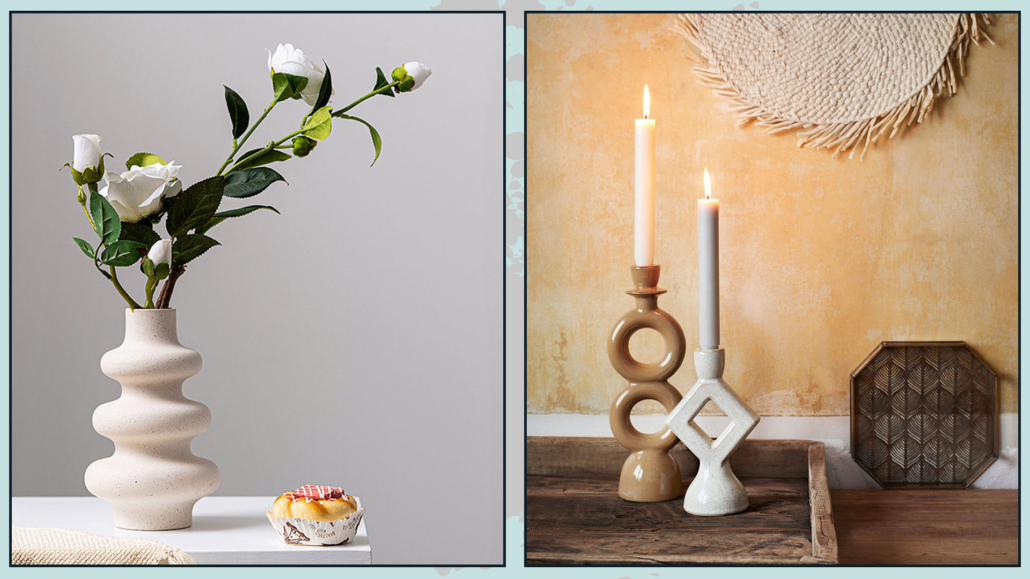
For example, look for vases and candle holders with unusual shapes and finishes.

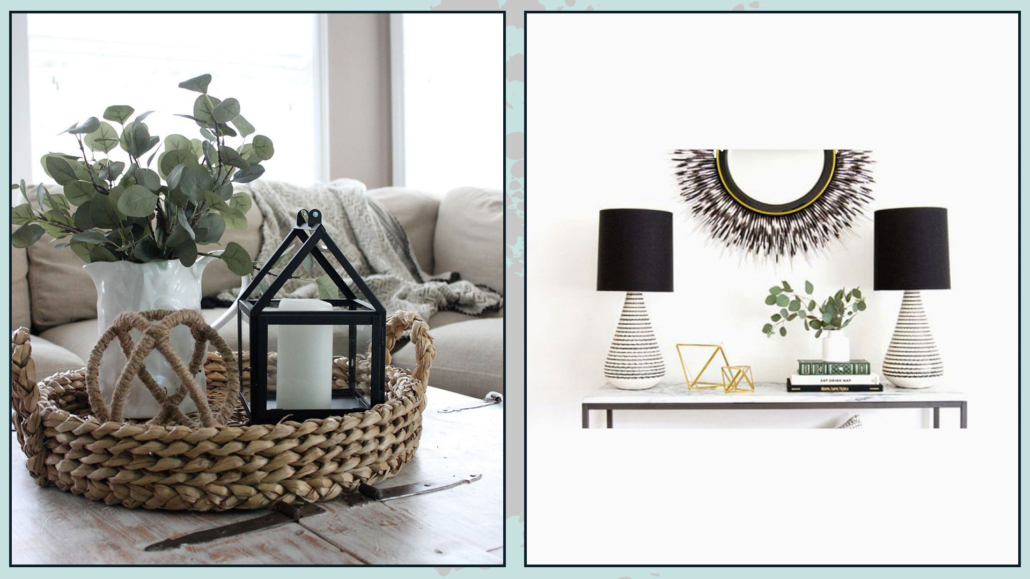
Buy also trays and create inside your compositions: giving it a sort of border, you will set it more importance.

Remember to create compositions with an odd number of objects, which have different heights and sizes, and distinct colors and finishes.

Another trick that gives a touch of sophistication and luxury is to use, here and there, the principle of symmetry; for example, on the sideboard, you could put two equal lamps on the sides and a beautiful central painting.

It is not to be done constantly and at all costs: on the contrary, it would become boring, but the principle of symmetry immediately gives the impression of something sophisticated!

(credits: etsy.com; east.co.uk)

(credits:pinimg.com;sarahshermansamuel.com)

11 – PLANTS, FLOWERS, BRANCHES, AND ESSENCES

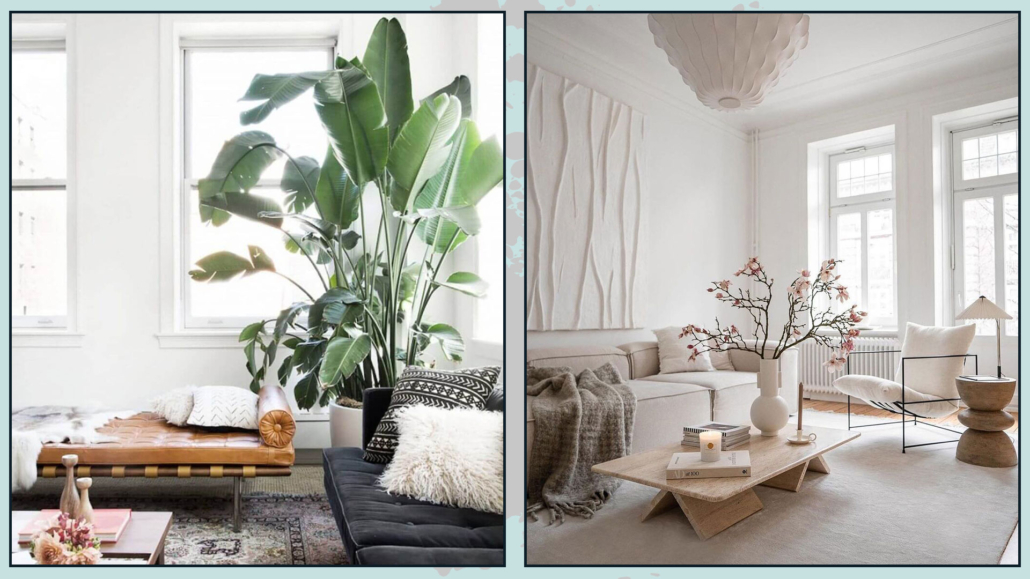
Plants bring a touch of nature into the house, and this is really very important; they also purify the air and elevate the perception of the environment!

They immediately give that touch of elegance and sophistication!

Fresh flowers are also great, but for a more low-cost elegant effect, you can also decorate with branches!

Even these bring movement and freshness with simplicity!
The perception of spaces is not only visual but also concerns what we feel with touch and smell.

The scents of fresh flowers immediately elevate the perception of the environment, but of course, you can also help yourself with candles and diffusers.

Perfumes do not have to be aggressive, it goes without saying, but adding them in the living room will immediately make it more refined and luxurious.

(credits: @homepolish; tileclub.com)

12 – ORDER!
It seems obvious, but clutter is the exact opposite of luxury, even the visual one: a living room too full of things is not good.

We need to embrace a little more of the rules of minimalism, including “less is more”!

Then use storage furnishing to store things that are too much!

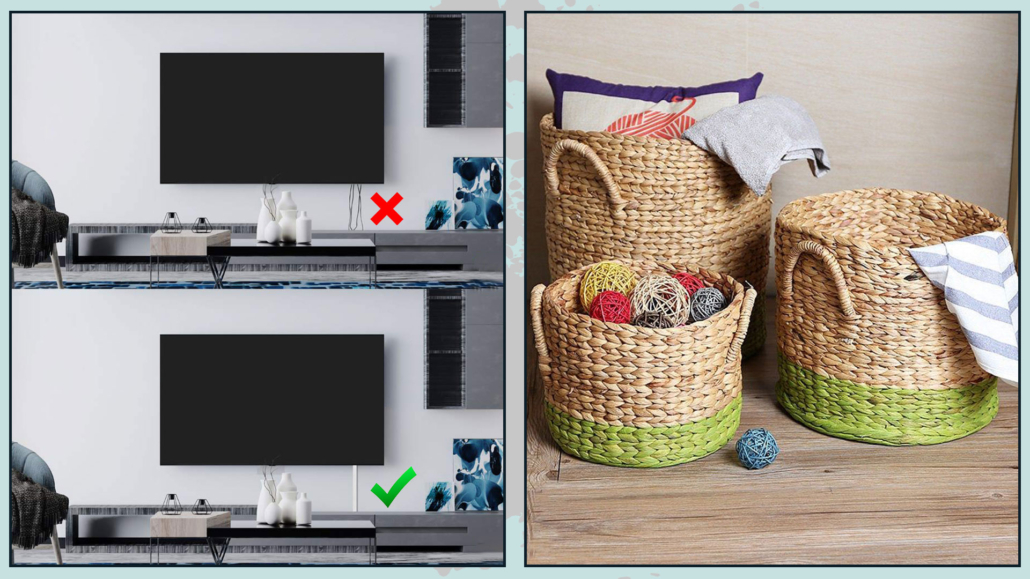
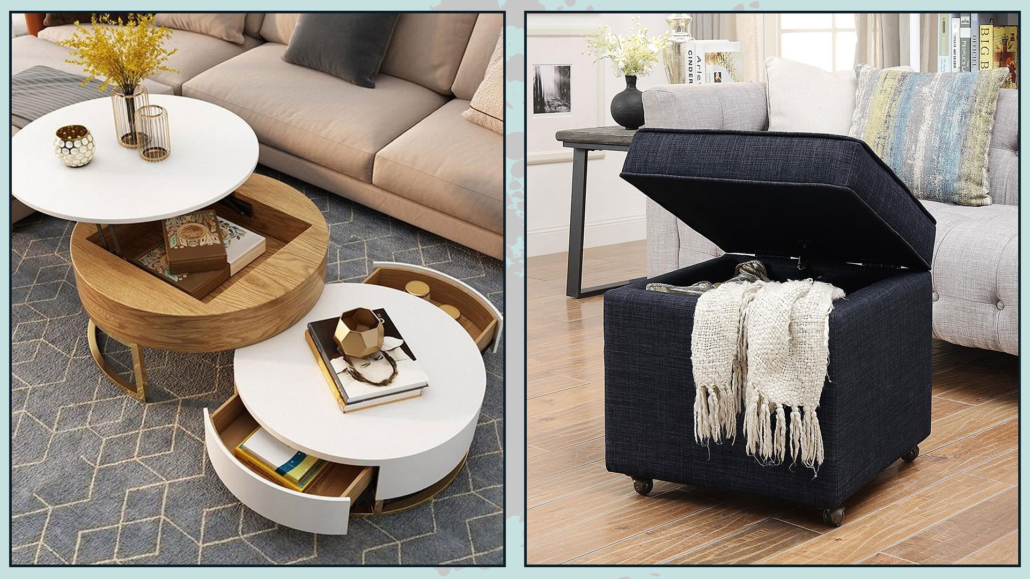
Poufs, coffee tables, benches, or baskets are excellent allies for this purpose.

(credits: coffeetableonline.com; wallmart.ca)

I hope this article was helpful and you loved it; in case, let me know in the comments!

Feel free to share it with anyone you think might be interested, I will be honored, and it will help me get my name out there.

If you feel that your bedroom, or some other room in the house, does not reflect you enough, don’t wait any longer and book your consultation, all you need to do is contact me!

Want your bedroom to look and feel more luxurious?

Then you’re going to love this article.

A while ago, I shared tips on how to make your home feel more luxurious—and that video quickly became one of the most-watched on my channel.

So, since you loved that topic, today we’re taking it a step further and focusing on one specific space: the bedroom.

Leonardo da Vinci once said, “Simplicity is the ultimate sophistication.”

And this applies to everything—think of Audrey Hepburn in Breakfast at Tiffany’s… and yes, it applies to interior design too!

So, if you want a bedroom that feels elegant, inviting, and luxurious, the first thing to focus on is simplicity.

1 – NEUTRAL COLORS

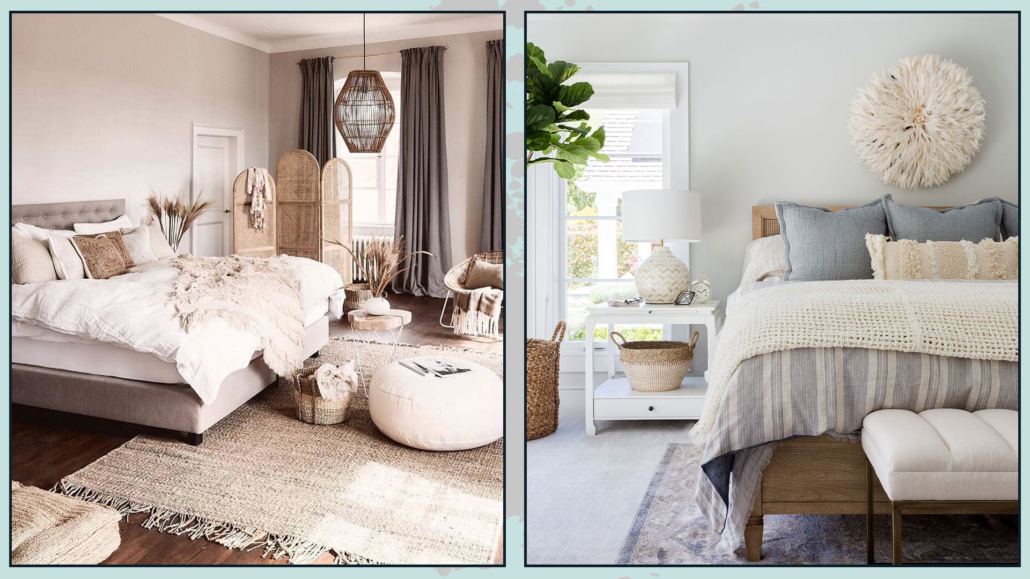
If you want your bedroom to feel elegant and look more luxurious, choosing the right color palette is essential.

The best approach is to go with neutral tones—like white, beige, and gray—for your walls and larger furniture pieces.

Neutrals are the perfect choice to express luxury and elegance. They’re versatile, easy to combine, and help create a calm, relaxing atmosphere.

What if you love color?

Bright colors tend to stimulate the mind and may not help you fully relax—but that doesn’t mean you can’t use them!

Here are three ways to do it:

– Use a desaturated version of your favorite color

As I mentioned before, when you add a lot of white to a color, it becomes a softer, more neutral tone with that color as an undertone. (You can also add black to create a darker neutral.)

This way, you can still enjoy your favorite color without it feeling too intense.

– Go for pastel shades

Soft blues, greens, or pinks can add a touch of movement while still keeping the space calm and balanced—especially when paired with neutrals.

– Use bold colors in small doses as accents

You don’t have to give up vibrant colors if you love them!

Just use them in small details, like throw pillows or decor pieces.

If you pair that same color with a more muted version on the walls, you’ll create a beautiful, cohesive—and yes, wow—effect.

The neutral you choose will also depend on your style.

Styles such as minimalist, Scandinavian, and contemporary favor pure neutrals like white, black, and gray to maintain a clean, structured look.

Other styles—such as classic, Japandi, or boho—work beautifully with warmer neutral tones.

(credit: Westwing Italia; thespruce.com)

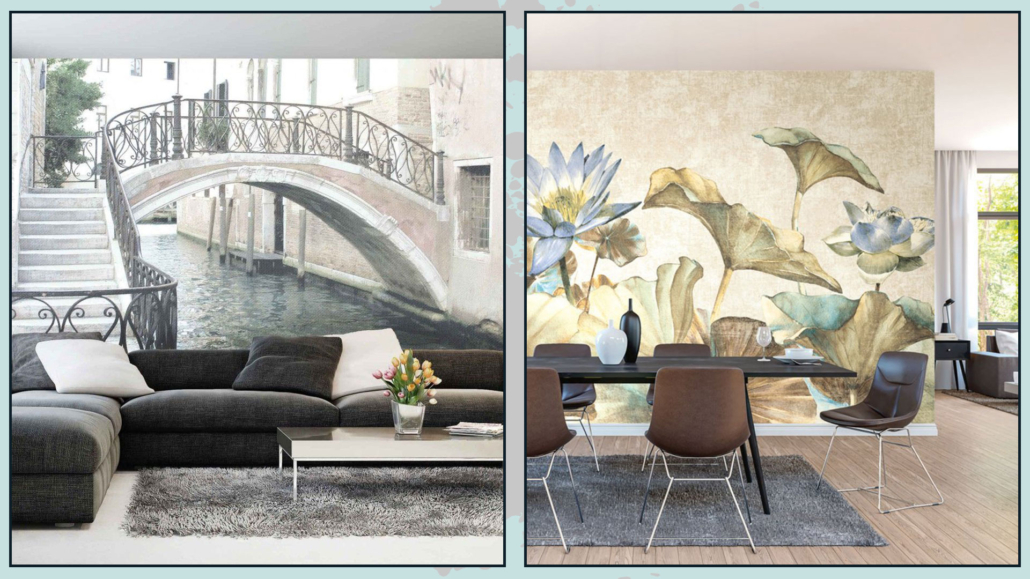
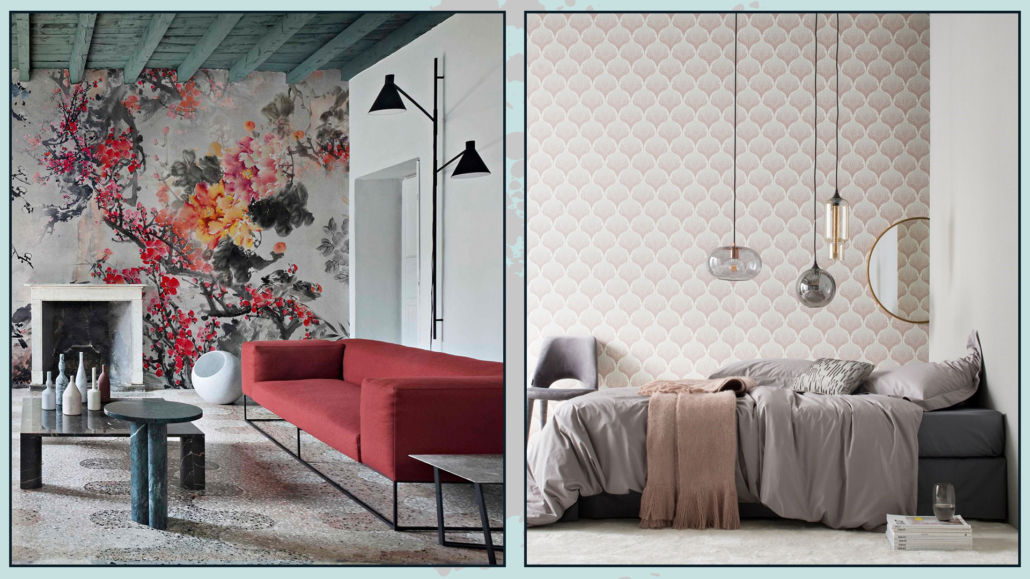
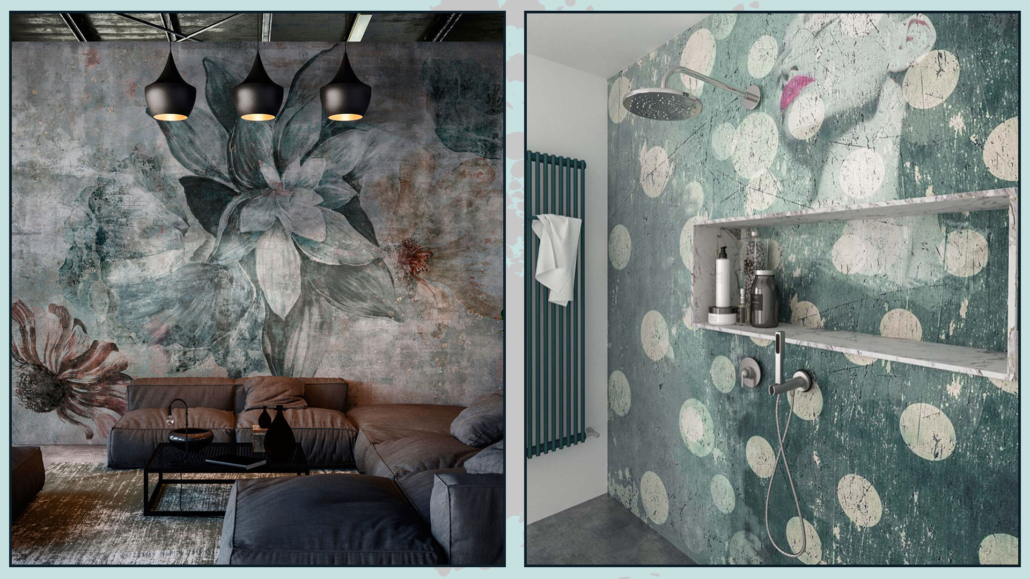
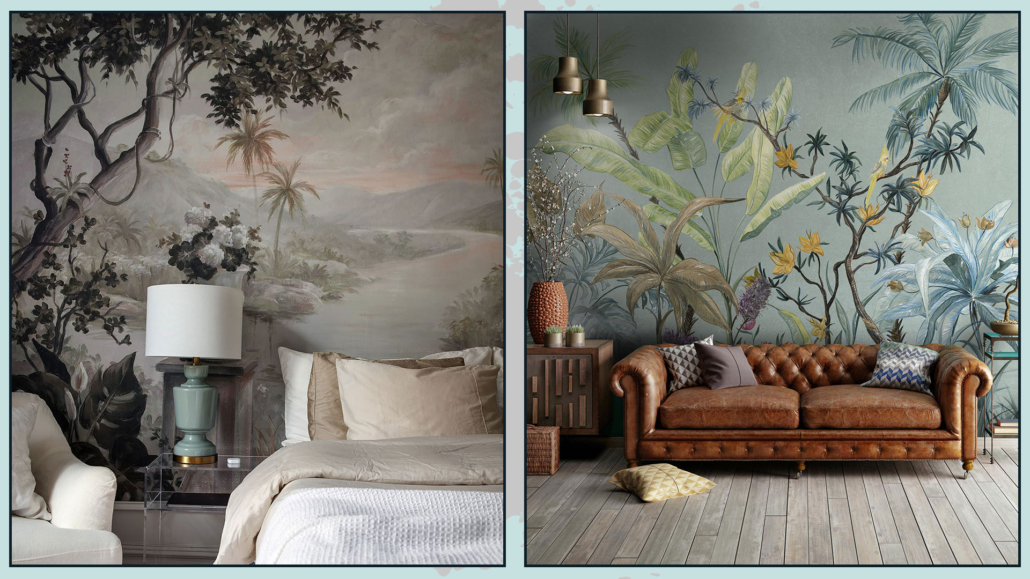
2 – WALLPAPER

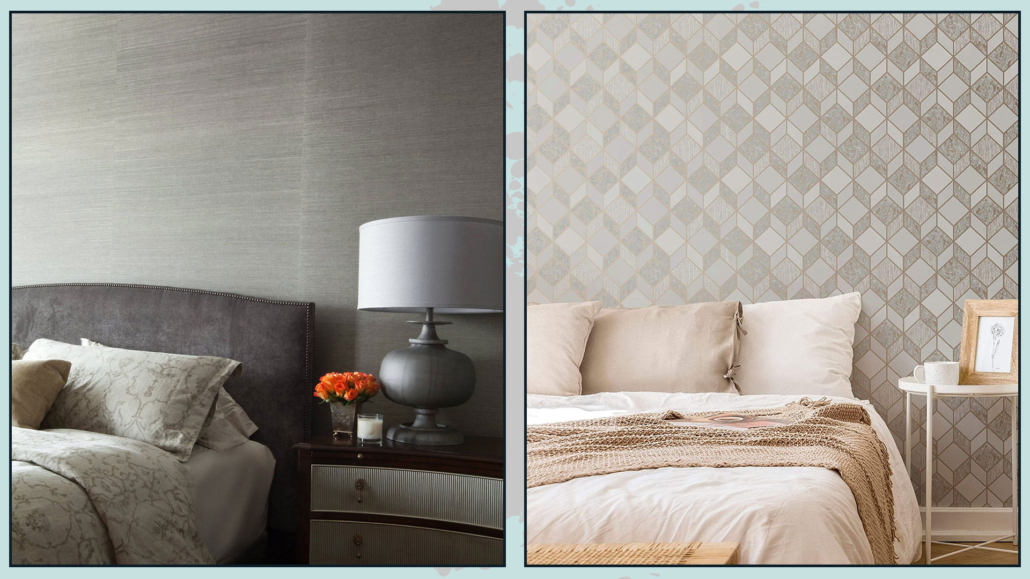
Today, there are so many wallpaper options available, and this can be a great way to make your bedroom feel more sophisticated and luxurious.

By sticking to neutral or soft tones, as mentioned earlier, you can use wallpaper to decorate the wall behind the bed.

By doing this, you will turn that area into a focal point and, if chosen carefully, highlight the bed even more—since it’s the main feature of the room.

(credit: westwing.it; istockphoto.com)

3 – SPACE PLANNING

Space planning is essential if you want a room that feels pleasant and well-balanced.

It’s not just about aesthetics, and it’s not just about functionality—it’s about finding the right balance between the two.

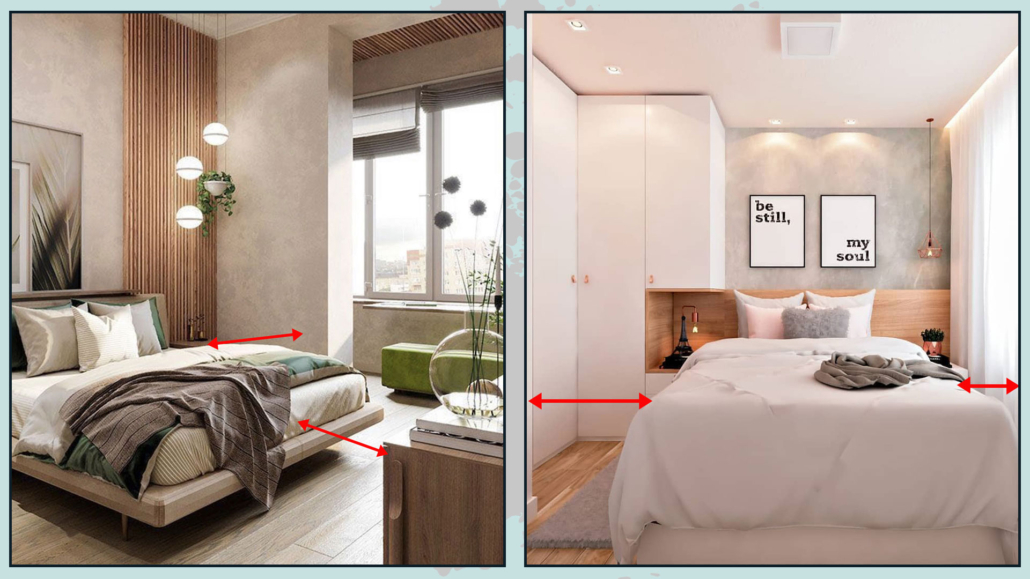
For a bedroom to feel more luxurious, it’s especially important to plan your layout carefully and allow enough room to move comfortably.

The space between furniture pieces should be generous enough to move around easily.

These empty spaces also help your eyes rest, making the room feel calmer and more harmonious.

That’s why, before buying any furniture, it’s important to create a scaled floor plan of the room, including everything you’d like to add.

This approach will help you arrange each piece in the best way and adjust anything that might feel too bulky.

Start by making sure doors and windows can open freely.

Then, aim for about 80 cm (around 30 inches) of clearance between furniture pieces.

If your bedroom is small, consider multifunctional furniture—like a storage bed—to reduce the number of items in the room and avoid both visual and physical clutter.

(credit: Akahana Homes Residences; Solteiras Noivas Casadas)

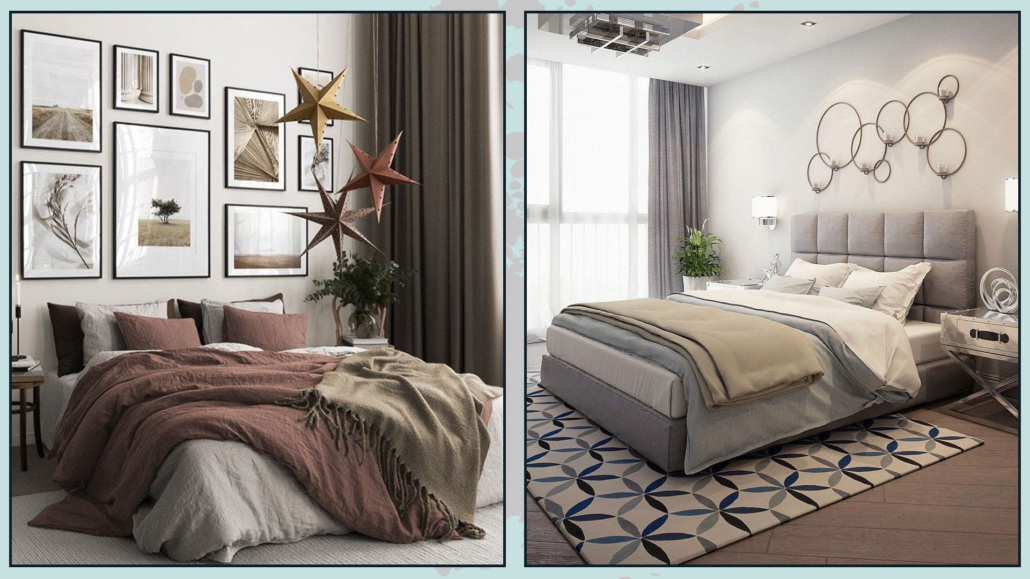
4 – DRESSING THE BED

As mentioned earlier, the bed is the main feature of the bedroom and deserves special attention.

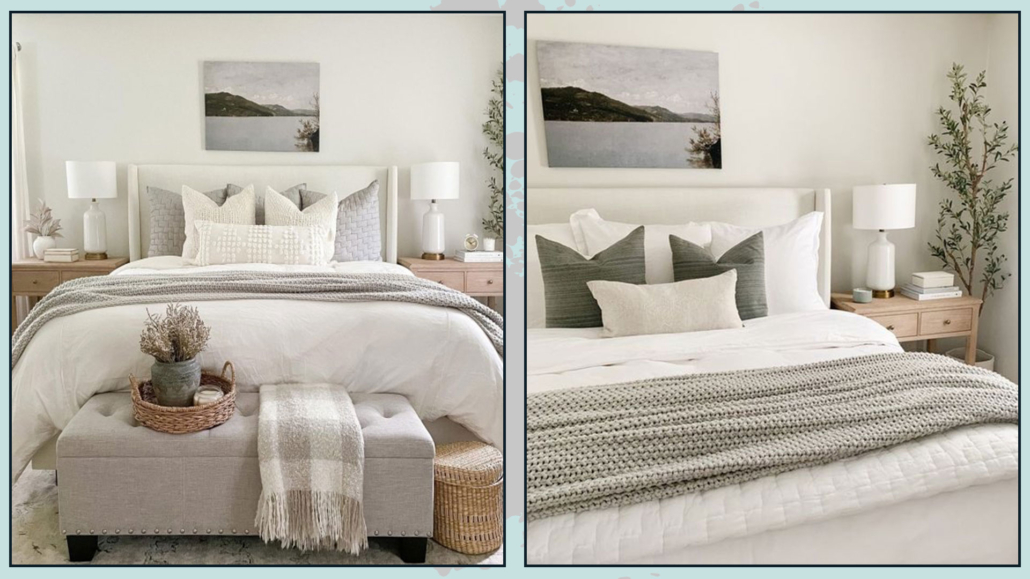
For a more sophisticated look, try layering different types of fabrics—ideally with varied textures.

And no, your bed doesn’t have to be all white to feel elegant!

Just like with colors in general, stick mostly to neutrals, possibly in different shades, and mix in a variety of textures.

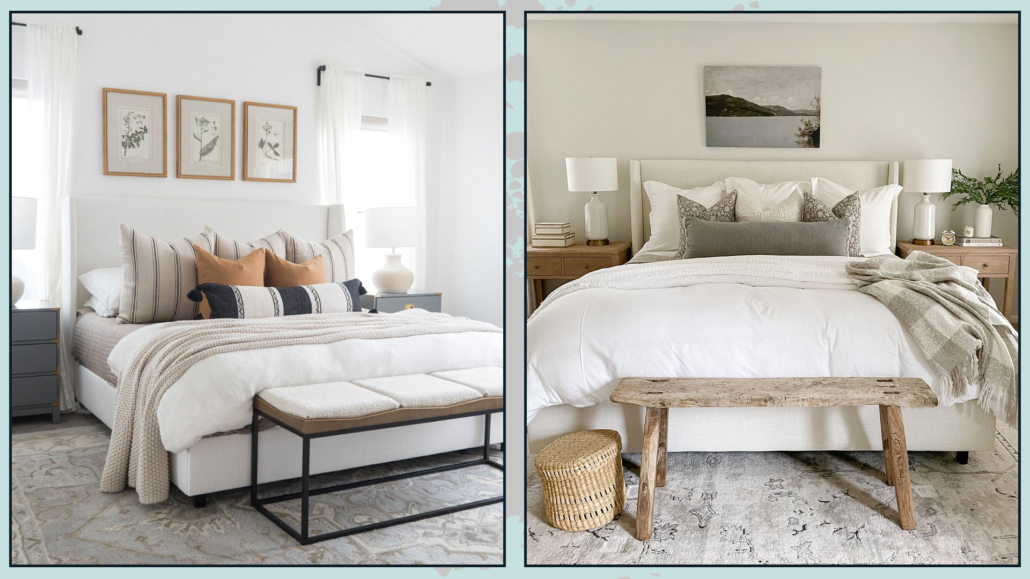
To elevate the look, use a beautiful bedspread, but also add a throw in a different fabric.

You can fold it neatly at the foot of the bed for a more classic look

Or drape it casually for a more relaxed feel

This contrast will add depth and visual interest to the room.

Pillows also play a key role; they add richness, making the bed feel more inviting.

(I talk more in detail about pillows here!)

(credit:desenio.it; decoraideas.com)

5 – CURTAINS

Curtains play a key role in making your bedroom feel more luxurious.

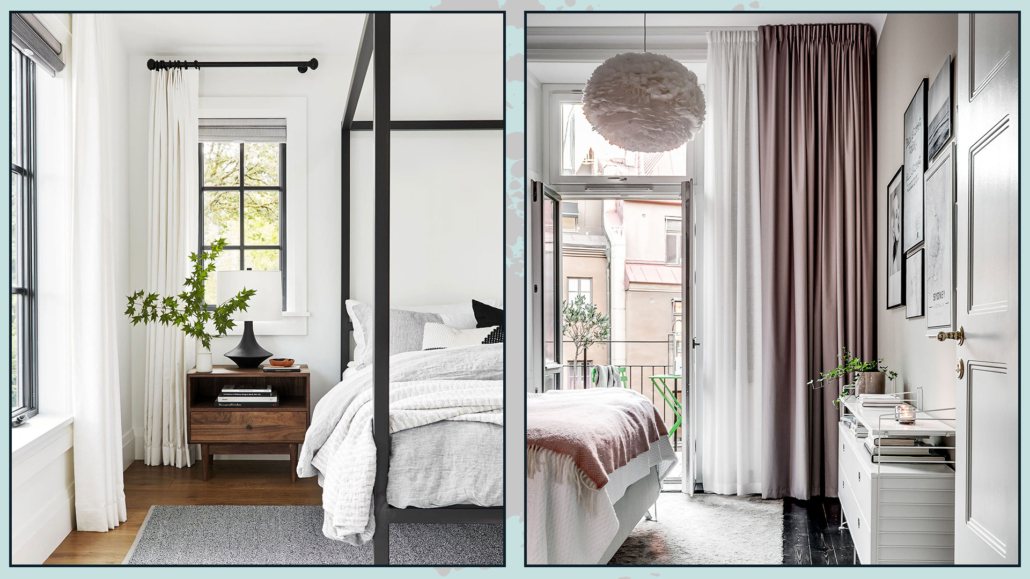
To achieve an elegant look, it’s important to choose the right curtains—with the right size and proportions for your space.

Whatever style you choose, keep this in mind: curtains should be about 1.5 to 2 times the width of the window.

They should also extend slightly beyond the window frames, by about 10 cm (around 4 inches).

Extending the curtains beyond the window will make the window appear wider and allow more natural light into the room when the curtains are open.

Try to place the curtain rod as close to the ceiling as possible to create a sense of height and make the window feel larger.

If you have very high ceilings, make sure to place the rod at least 15 cm (about 6 inches) above the window.

Always choose floor-length curtains—short curtains tend to make the space feel smaller.

If long curtains aren’t practical, a glass panel curtain (or a more minimal solution) is a better option.

Choose a beautiful curtain rod—metal or wood both work well—and, if appropriate, add decorative finials that match the room’s style.

Pay attention to fabrics as well. When it comes to sleeping, it’s important to block out light completely.

If you don’t have shutters or blinds that can do this, consider layering your curtains: one sheer and one blackout.

Layered curtains also add contrast, making the bedroom feel even more elegant—and more luxurious.

(credit: mydomaine.com; inredningshjalpen.com)

6 – SCENTS

As we’ve already seen, the perception of a space is not only visual, but also shaped by other senses—like touch and smell.

Scents play an important role. They shouldn’t be overpowering, of course, but adding subtle fragrances to your bedroom will instantly make it feel more sophisticated.

You can do this with scented candles, essential oil diffusers, or fresh flowers.

A delicate scent helps you fully relax and unwind.

(credit: westwing.it)

7 – PLANTS

Speaking of scents, plants bring in the natural fragrance of the outdoors—but that’s not all.

They also add a sense of elegance and luxury to a bedroom.

On top of that, they help purify the air, making it healthier and more pleasant to breathe.

If you’d like to discover the best plants for a bedroom, you can check out this video!

(credit: westwing.it)

8 – MIRRORS

No matter the size of your bedroom, if you want the space to feel elegant and luxurious, a large mirror is essential.

Mirrors help brighten a room by reflecting light and also create the illusion of a larger, more spacious environment.

They’re not just functional elements—they also enhance the overall style, adding character to the space.

You can hang them on the wall or, if they’re particularly large, lean them directly against it.

The key is to choose a mirror whose style, shape, and frame material complement and enhance the overall design you’ve chosen.

If your bedroom is small, I recommend placing the mirror where it can best reflect natural light—but most importantly, where it reflects an orderly area.

This trick will instantly make the room feel larger.

(credit: ramadaneidrecipes.com; Micheala Diane Designs)

9 – LIGHTING

Lighting is essential—it can completely change how a space feels.

If you want your bedroom to feel more luxurious, avoid relying on a single ceiling light.

Instead, distribute light through multiple sources:

– hidden LED strips inside a ceiling recess that follows the room’s perimeter, for general lighting

– dedicated lighting inside wardrobes

– bedside lamps

– floor lamps

The more light sources you have, the greater the visual comfort—and, of course, the more decorative impact you’ll create.

As always, the shape and materials of your lighting fixtures should enhance the overall style of your bedroom.

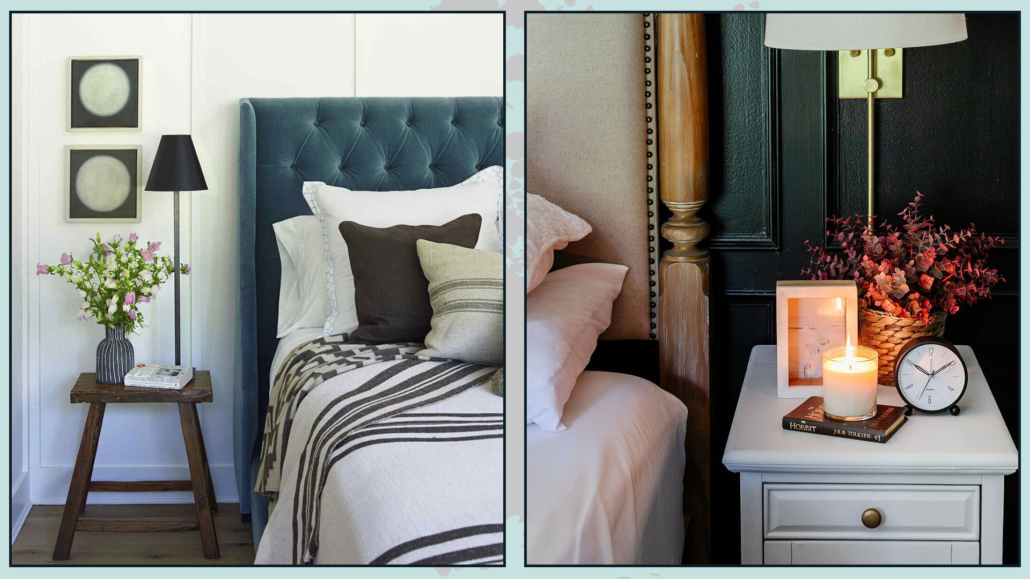
When it comes to bedside lamps, don’t be afraid to be bold. You don’t have to use identical lamps—in fact, mixing two different designs can create contrast and visual interest.

The key is that the two lamps share at least one common element, such as shape, color, or material.

If you want to learn more about choosing lighting, I talk about it here!

(credit: ramadaneidrecipes.com; lights.com)

I hope you found the article helpful and enjoyable! If you did, let me know with a comment.

Feel free to share this video with anyone who might be interested — I’d be honored.

If your home — or even just a part of it — doesn’t feel like it truly reflects you, don’t wait any longer: book your consultation today!

Flush-to-wall solutions: what are they and how to use them?

If you have a minimalist home, flush-to-wall solutions are perfect for keeping your spaces clean, simple, and, of course, minimal.

That said, they also work beautifully with other styles, helping to highlight and enhance your overall design choices.

Flush-to-wall solutions generally refer to built-in elements—features that don’t protrude from the wall or ceiling, blending seamlessly into the space.

Let’s look at 11 of them!

1 – DOORS

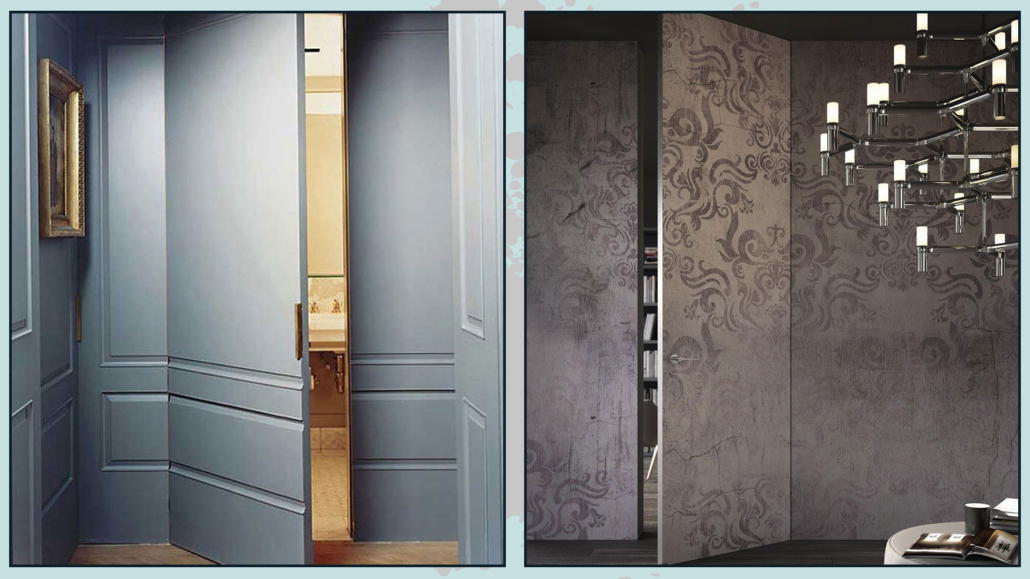
Flush-to-wall hinged doors are among the most well-known and widely used elements in this category.

They have no frames or trims, feature hidden hinges, and when closed, they almost disappear—except for the outline and handles.

Since these doors are thinner than the wall, the “invisible” effect is visible from one side only, so you’ll need to decide where you want to highlight it.

You can also get creative: these doors can be installed full height (reaching the ceiling) or finished to match the wall—whether with paint, wallpaper, or even wood paneling.

(credits: lasartoriadellarchiettura.tumblr.com; CeramicheeDintorni)

2 – DOORS AND FLAPS

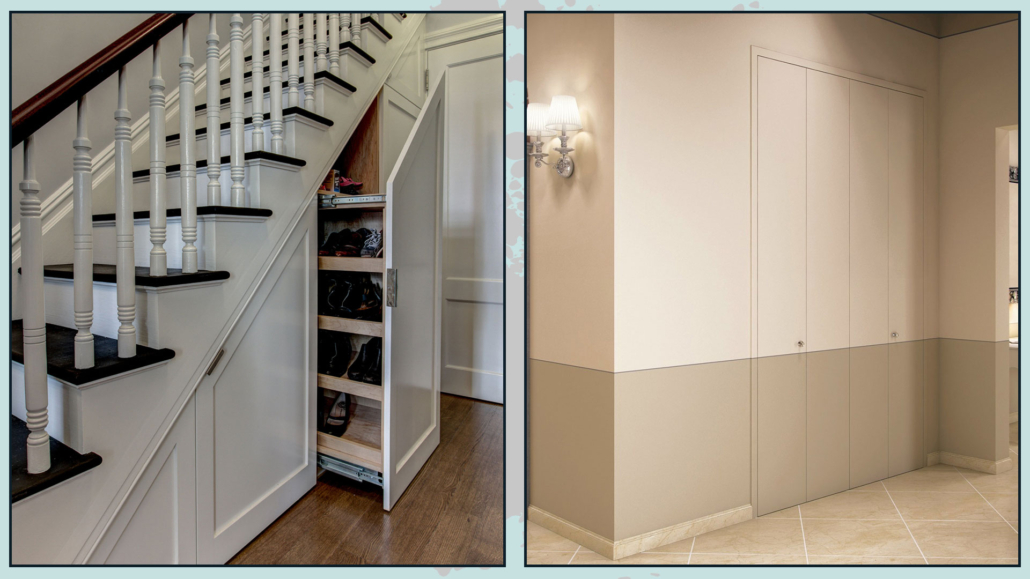
If you have niches, storage areas, or even space under the stairs that you want to close off discreetly, flush-to-wall doors are a great solution.

You can use them to hide a laundry area—whether it’s in the bathroom, the kitchen, or elsewhere in the home.

You can also create a built-in wardrobe with flush doors for a fully seamless look.

In entryways and hallways—especially smaller ones—this type of solution, particularly when full height, helps keep the space from feeling cramped.

(credits: comearredare.com; vertical.it)

3 – PANELS

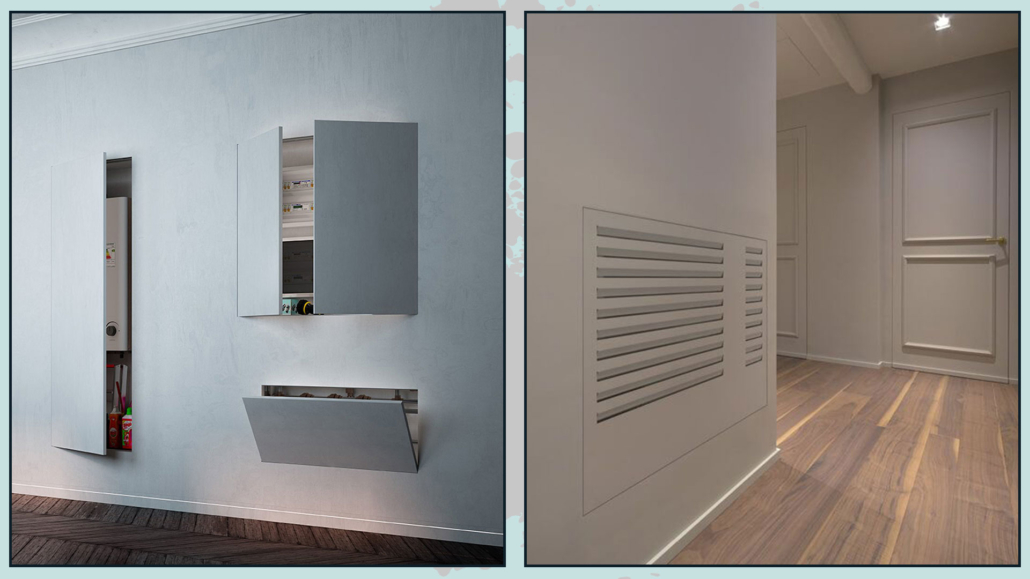
We all have areas that house technical systems, such as water manifolds or electrical panels.

They’re not exactly visually appealing and usually come with panels screwed onto the wall.

If planned, you can use flush panels that close these openings in a clean, minimal, and discreet way.

The same applies to ventilation grilles for air systems.

(credits: eclisse.it; aurainfissi.it)

4 – SWITCHES

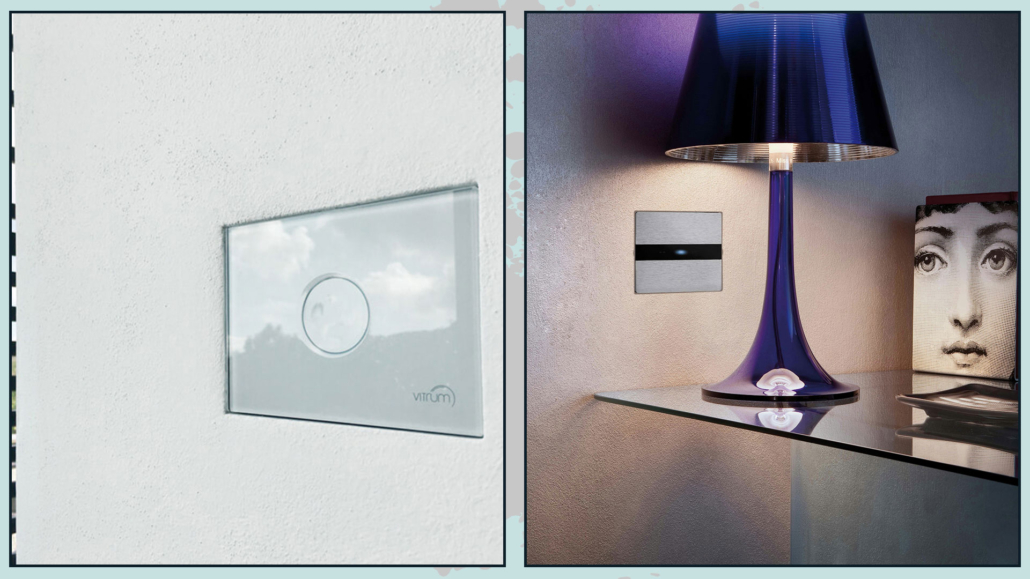
Even light switches can be flush-mounted!

It’s a very original solution.

For tech enthusiasts, there are also touch models, with controls hidden behind a glass plate and a small LED light that remains on to make them easy to find in the dark.

(credits: it.aliexpress.com)

5 – BASEBOARDS

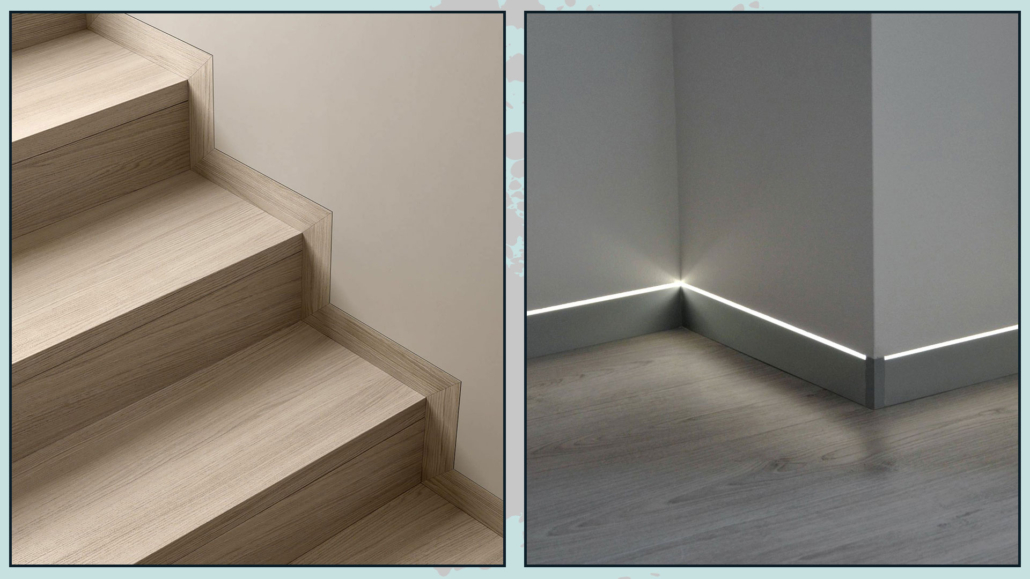
Baseboards can also be flush with the wall, meaning they don’t protrude at all.

One of the biggest advantages is that furniture can sit perfectly against the wall, eliminating the annoying and unattractive gap caused by traditional baseboards.

It also makes cleaning much easier—there are fewer surfaces for dust to settle on.

For those who love design details, there are even versions with integrated LED lighting… perfect for guiding you at night without turning on the main lights.

(credits: protoporte.com; allegro.pl)

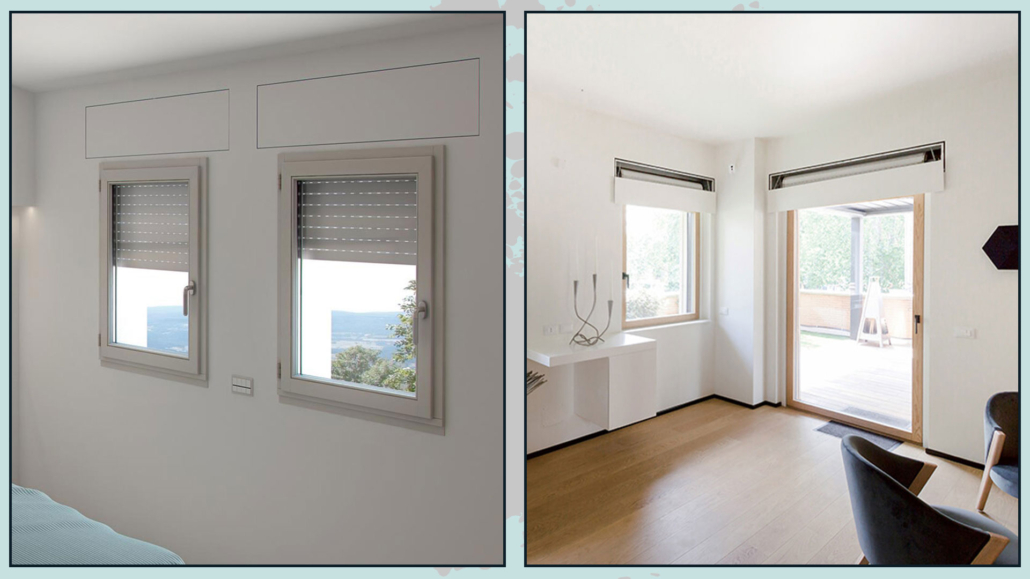
6 – SHUTTER BOXES

Let’s be honest: shutter boxes are often unattractive and can make it difficult to install curtain rods.

Today, however, they can be recessed with flush covers, making them much less visually intrusive.

(credits: sistemirasoparete.it; madewithhome.com)

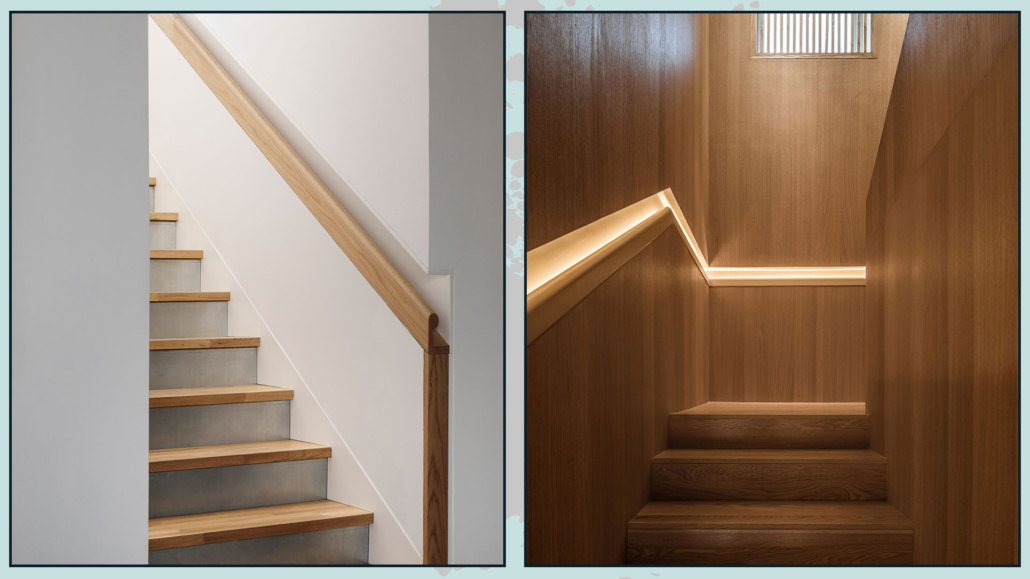
7 – HANDRAILS

I’ll admit it—I discovered this solution recently, and it really impressed me!

Integrating the handrail into the wall is ideal for narrow staircases, as it frees up a surprising amount of space.

Like baseboards, these can also include integrated LED lighting, adding both function and style.

(credits: designboom.com; architonic.com)

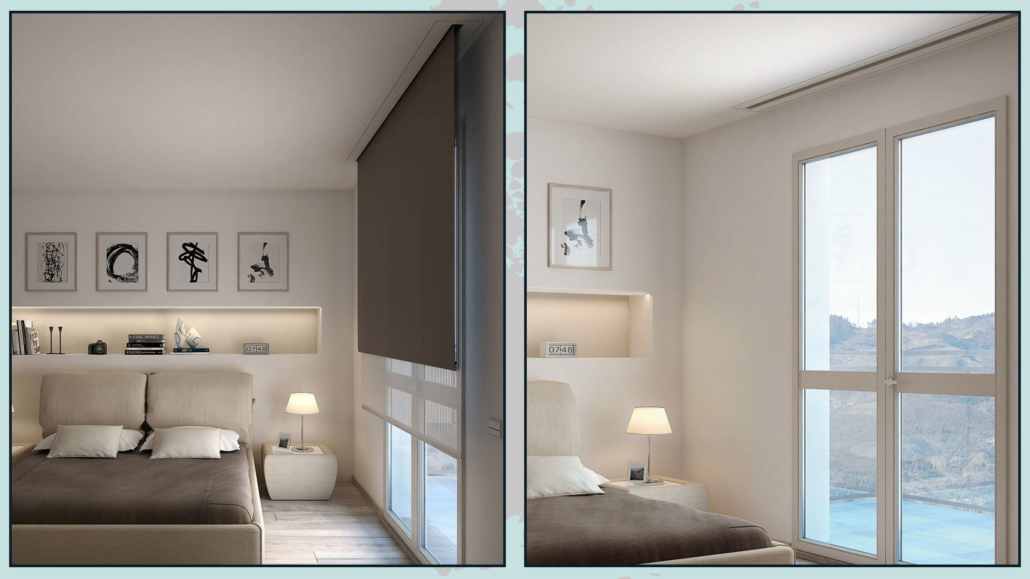
8 – ROLLER SHADES

When I talked about window treatments (you can find the video here), I also mentioned roller shades.

Here, we’re referring to flush-to-ceiling solutions, not flush-to-wall ones.

Roller shades are not very common, but they’re perfect for those who love a minimalist style.

For a cleaner look, you can conceal the rolling mechanism inside a drywall ceiling.

This way, when the shade is fully open, it disappears completely.

For added convenience, motorized options are also available.

This solution works well for hiding a projector screen too—perfect for an office!

(credits: gaiamiacola.it)

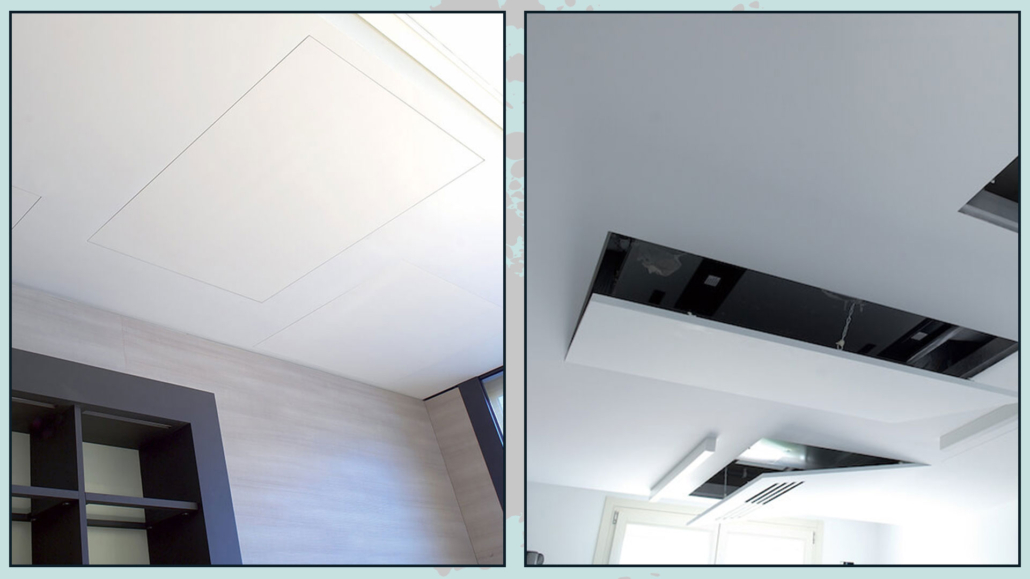
9 – FLUSH CEILING ACCESS HATCH

Staying with flush-to-ceiling solutions, if you have an attic or a suspended ceiling with a technical area, a flush ceiling access hatch allows you to conceal these openings while keeping them easily accessible.

(credits: 2.teknoring.com; sistemirasoparete.it)

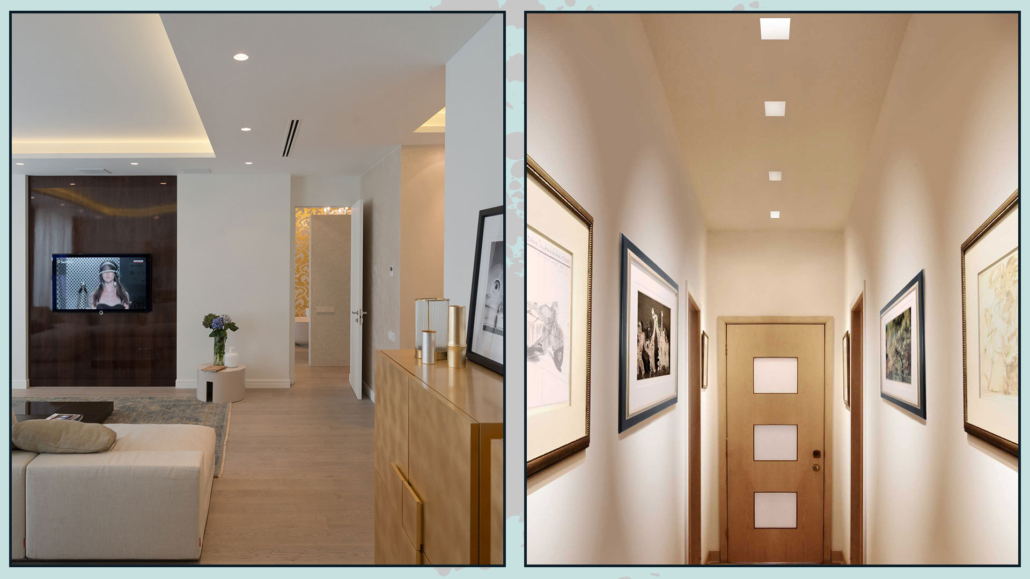
10 – RECESSED LIGHTS

Still on the ceiling, we can’t forget recessed spotlights.

Installed in a drywall ceiling, they’re already quite discreet—but frameless versions take it a step further, creating an even cleaner and more seamless look.

(credits: m.zxzhijia.com; Lighting Stores)

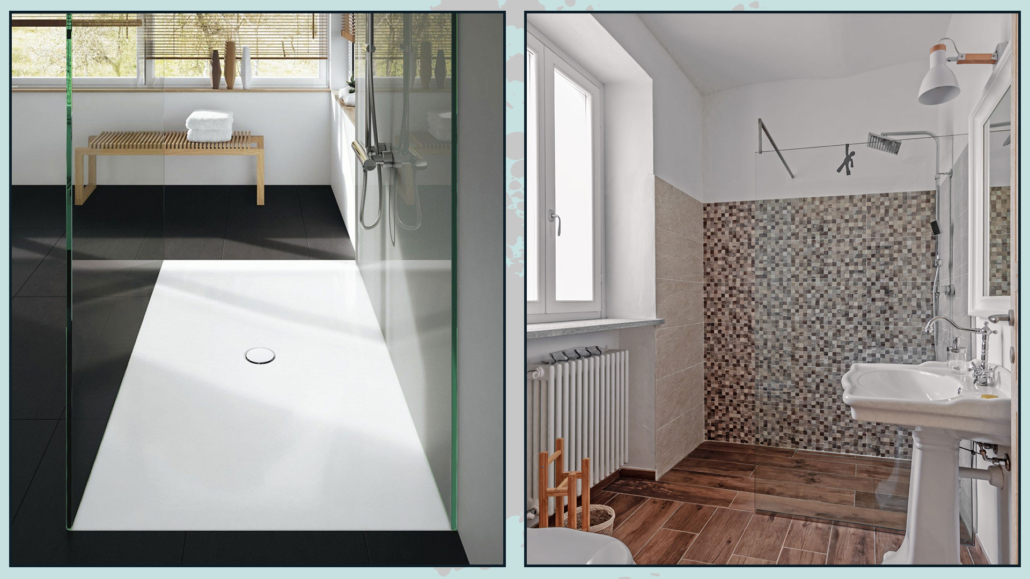
11- SHOWER TRAYS

Here we’re referring to flush-to-floor, not flush-to-wall ones.

There are shower trays that can be fully recessed into the floor, eliminating any step—even a minimal one—when entering the shower.

With proper floor slope and good drainage, you can even use the same flooring throughout,  allowing you to move beyond standard shower sizes.

(credits: tavolla.com;vivere lo stile)

Did you already know all these flush-to-wall solutions?

Do you have any of them in your home?

I hope you found the article helpful and enjoyable! If you did, let me know with a comment.

Feel free to share it with anyone who might be interested — I’d be honored!

If you need a consultation for your home, don’t hesitate to contact me!

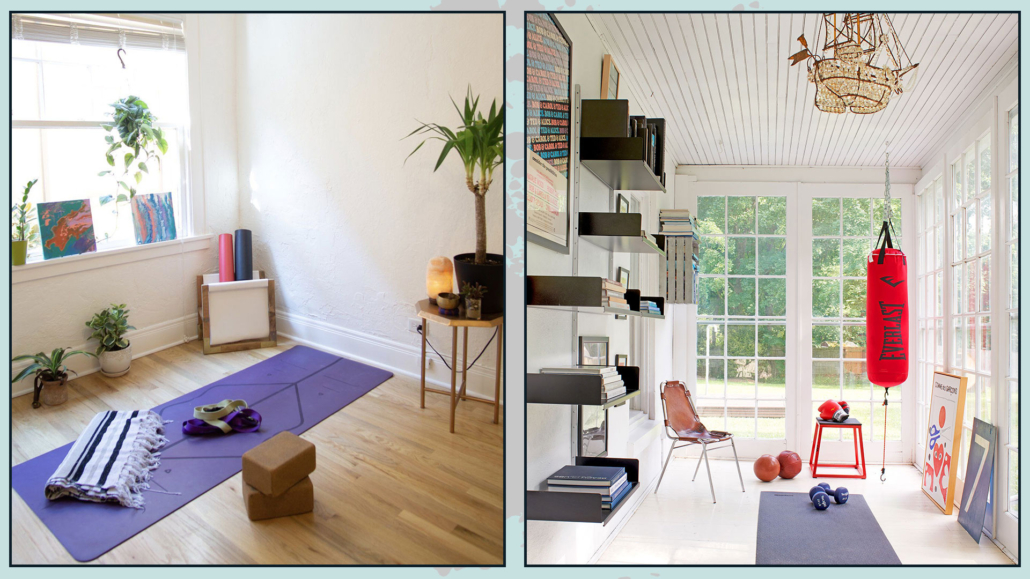
How to create a home gym without compromising the harmony of your home?

With everything that has happened over the past year and a half, the need to work out at home has increased.

But not everyone has the space to dedicate an entire room—even a small one—to a personal gym.

More often, it takes up just a corner of another space.

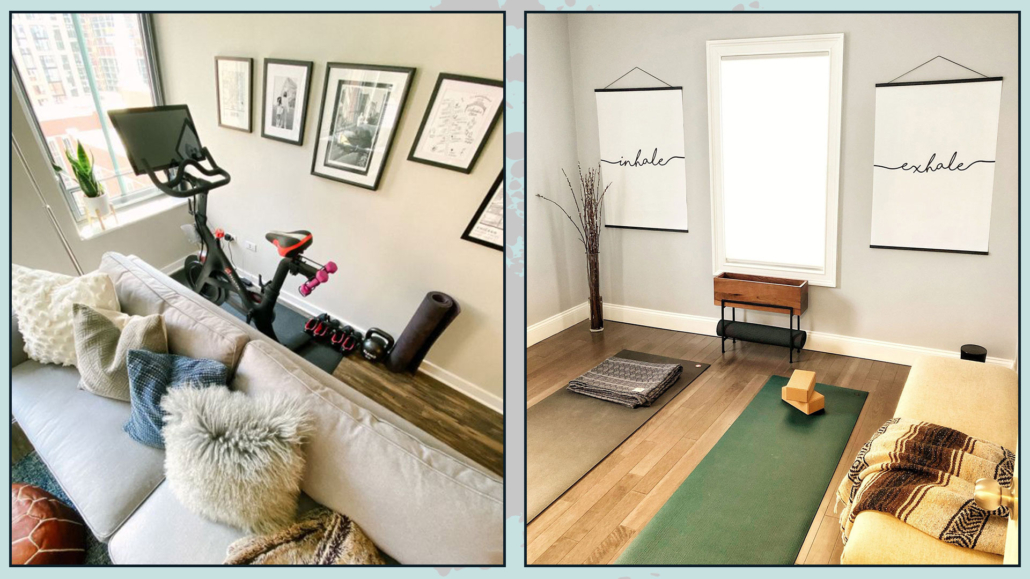
If you’re one of those people who love working out at home and don’t want to give it up, here are some tips for creating a gym corner without compromising the harmony of your home!

Finding the right spot and organizing it will depend on the activities you plan to do and the equipment required.

PRACTICAL TIPS

– WHERE TO STORE EQUIPMENT

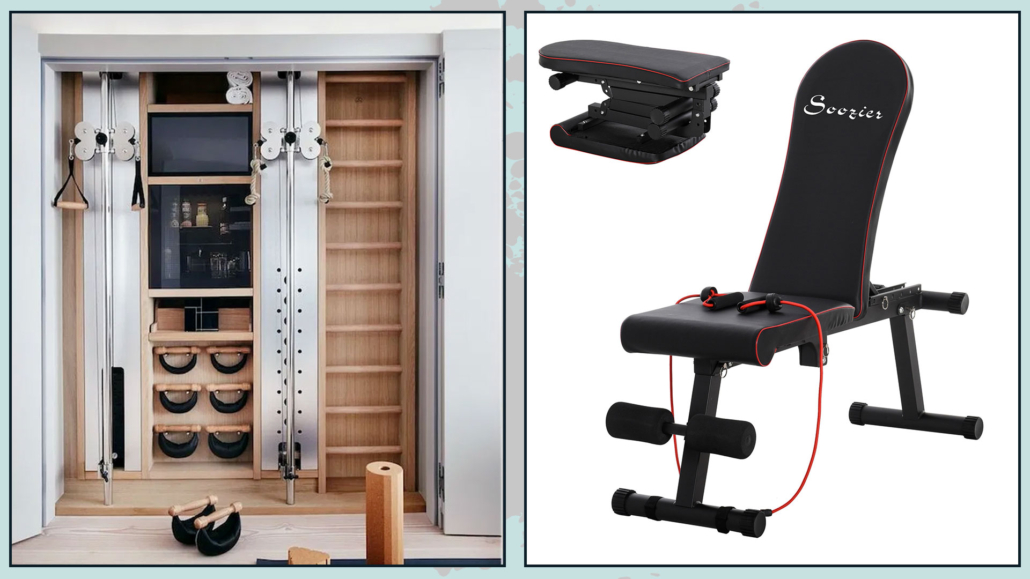
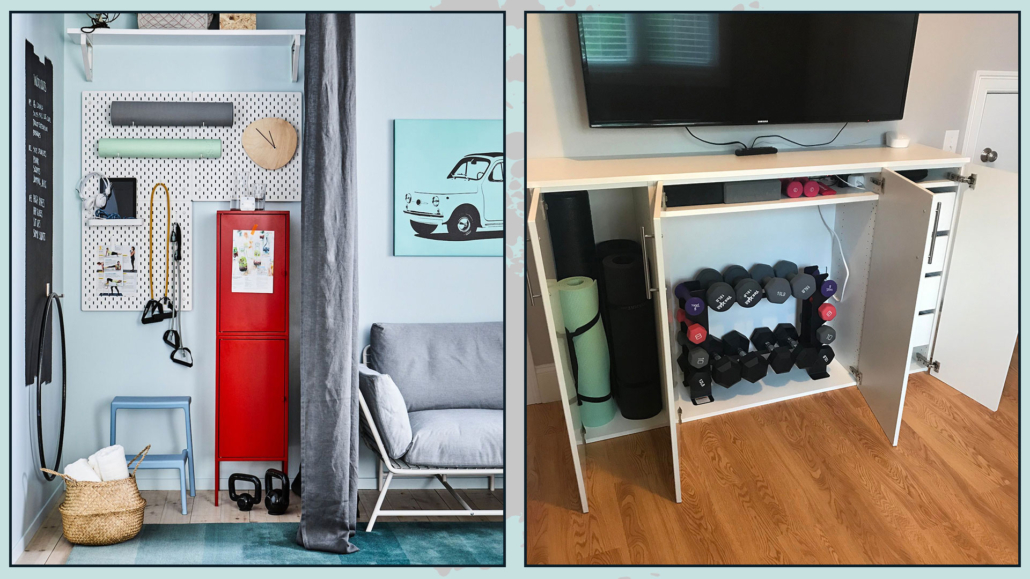
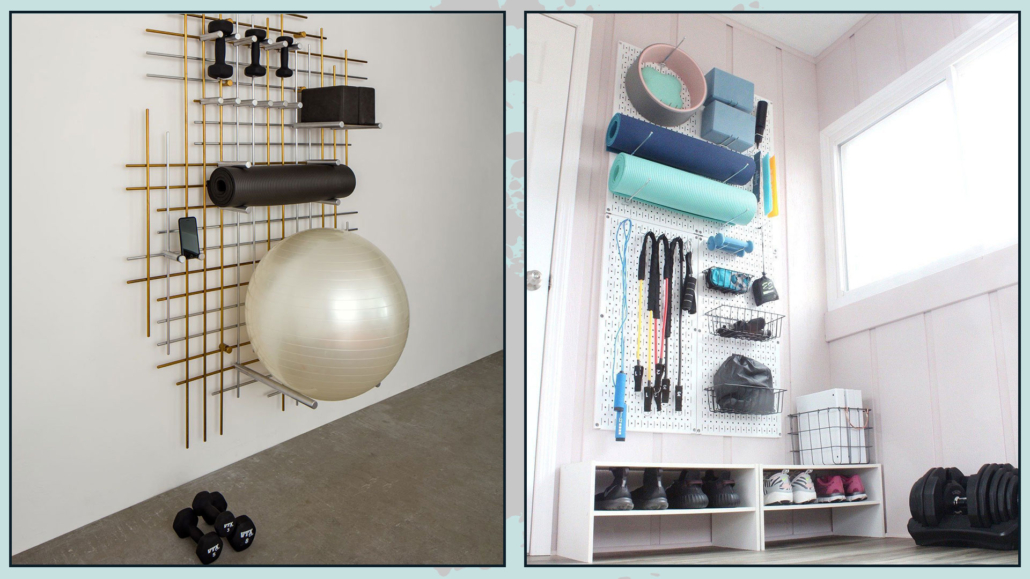
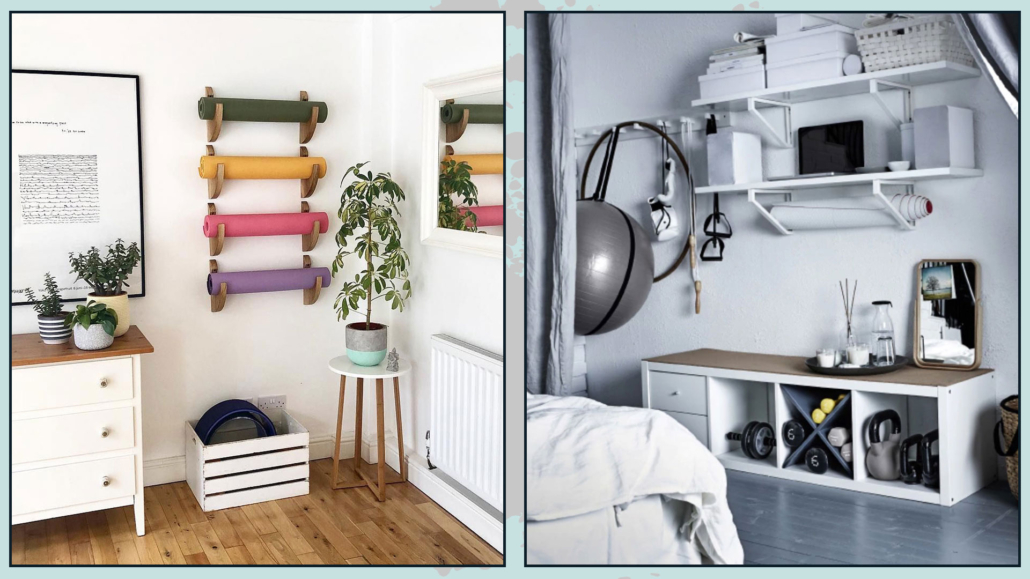
To avoid clutter, it’s ideal to have a cabinet—even a low one—where you can store your equipment.

Consider a customizable cabinet to store your equipment efficiently and maximize space.

Place the cabinet as close as possible to your workout area.

Having easy access will make your workouts more enjoyable.

For larger equipment, if possible, choose foldable or easily movable pieces so you can store them quickly and conveniently.

(credit: thespruce.com; ebay.it)

(credit: Ikea; nelson-miller.com)

– PAY ATTENTION TO SPACE

Some equipment is incredibly sophisticated and high-tech – but don’t focus only on that.

Look at the dimensions too!

If you buy the latest high-tech machine but don’t have the right space, you’ll run into organizational problems—and it can also affect the style and design of your room.

Plus, if the space isn’t adequate, it may be uncomfortable or even unsafe to work out.

Set up your gym area in a room with windows: proper ventilation helps prevent odors and improve air quality.

It will also protect your walls, wallpaper, and furniture!

(credit: sharingmysole.com; onekindesign.com)

– FLOORING

In your gym area, I recommend avoiding regular rugs—keep the floor clear.

To protect the floor, use sports mats.

Store them away after your workout.

(credit: ad-italia.it; William- Waldronotto)

AESTHETIC TIPS

– COLORS AND DECORATIONS

Bright, vibrant colors can boost energy, but since this is a home gym—not a commercial gym—it’s better to maintain a relaxing atmosphere.

Keep your color palette in mind: using light or neutral tones is excellent for promoting a sense of calm and relaxation.

Natural materials and plants enhance well-being, and plants in particular help purify the air.

(credit: Cass + Nico; thespruce.com)

– THE RIGHT EQUIPMENT

Choosing the right equipment makes a difference!

Start by buying only what you really need.

If multifunctional equipment is available, consider choosing it.

You can get a complete workout without cluttering your home with too many pieces.

Pay attention to their colors, especially if some will still be visible even when stored.

(credit: lejournaldelamaison.fr; warehouse3e.top)

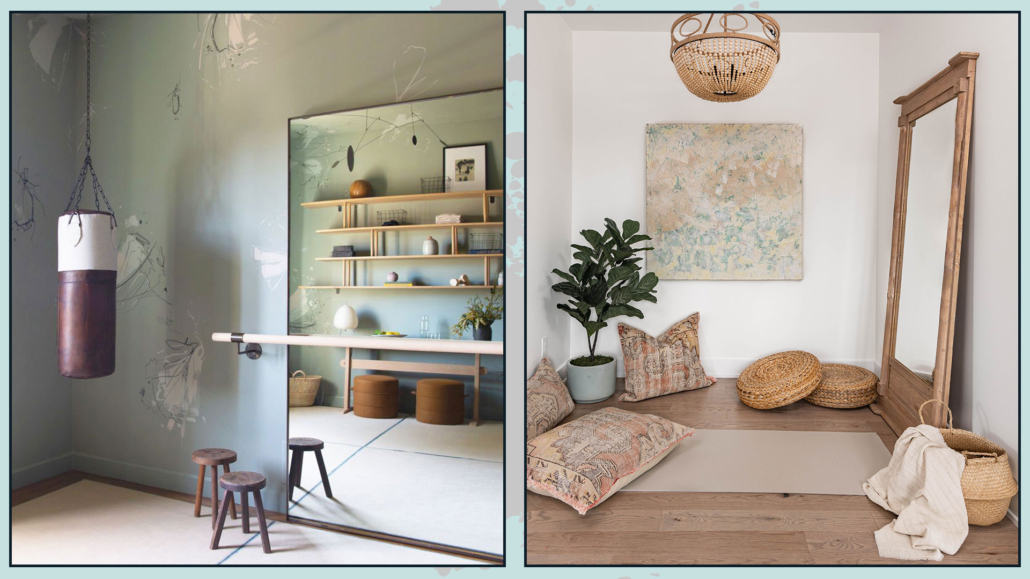
– ONE MORE IDEA…

As I mentioned before, it’s not always possible to hide your gym when it’s not in use, but there’s a trick:

Keep things as minimal as possible.

Store equipment in cabinets, consoles, or cube shelves, and add plants and cushions as decorations.

That will help make your home gym less intrusive and blend more seamlessly into your living space.

(credit: @tammyrara; ikea)

I hope this article on how to create a home gym has been helpful.

If it has, I’d love to hear from you—leave a comment and let me know!

If you’d like to share this article with someone who might find it helpful, I would be truly honored.

And if you still have questions or would like a consultation, don’t hesitate to get in touch!

Is purchasing furniture really as easy as it seems? Do you actually know what to look for when buying furniture for your home?

That is a decision you shouldn’t take lightly. Kitchens, sofas, and bedrooms are all major purchases that can easily cost several thousand dollars.

Buying furniture for your home is exciting, but it can also feel a little overwhelming. As mentioned before, you know you’re about to make a significant investment, and you want to be sure you’re making the right choices.

So here are some tips to keep in mind, along with the questions you should ask yourself when it’s time to take action.

LIVING ROOM

SOFA

The sofa is undoubtedly one of the biggest and most expensive pieces in this room, so let’s look at what you should consider:

– It needs to be sturdy

Sofas with a solid wood frame are ideal because they’re strong and long-lasting.

Yes, this usually increases the price, but it’s actually the best choice you can make.

We all know there are very “affordable” sofas out there, but that often comes at the expense of quality and durability.

Replacing a sofa after just a few years is definitely not ideal!

(credit: overstock.com; roomandboard.com)

– It needs to be comfortable

I’ve often met friends or clients who fell in love with a sofa’s design, only to realize later that it was very uncomfortable.

Your sofa should be a place where you can truly relax!

One helpful detail to check: ask whether the sofa has coil springs or serpentine springs.

Coil springs tend to be more durable and comfortable because they’re much more elastic.

(credit: yirilom.com; pinterest)

– Pay attention to the padding

Most sofa cushions use high-resilience polyurethane foam.

It’s a durable and easy-to-maintain material, but pay close attention to its density.

If the foam is too thick, the sofa will feel too firm; if it’s not dense enough, it will sink too much.

A quick note on density: polyurethane foam contains tiny air bubbles—the more bubbles, the denser the material.

For sofa seats, it’s paramount to find the right balance between density and weight support. A good medium density usually falls around 30–40.

For backrests, which don’t need to support as much weight, a lower density can work just fine.

(credit: puresaltinteriors.com; bassettfurniture.com)

– Choose the upholstery

Cotton, linen, and leather are classic sofa coverings and are very durable.

Synthetic materials such as microfiber are easy to clean and maintain.

If you have kids or pets, microfiber might be the best solution due to its practicality.

– Pay attention to the dimensions

The sofa must be proportional to the room: one that’s too large will overwhelm the space, while one that’s too small will get lost.

Also, make sure to consider every passage the sofa needs to go through to get inside—not just doors and windows, but also hallways and staircases!

ARMCHAIR / EXTRA SEATING

Adding an armchair or extra seating near the sofa instantly adds style to the room, making it a worthwhile investment.

This piece can match the sofa perfectly (a classic armchair that feels like a natural extension), or it can contrast with it, adding rhythm and visual interest.

When choosing a contrasting seat, pay close attention to style, materials, and all those small details that truly make a difference.

(credit: beliani.it; artesanosdesign.com)

COFFEE TABLE

A coffee table should be proportionate to the sofa, slightly lower than the seat height, and placed at a distance of approximately 40–50 cm (16–20 inches)

(credit: Pinterest)

Material choice should reflect the overall style of your home.

One tip: avoid glass if you have children!

As for shape, it’s best to follow the room’s layout:

– in a rectangular room, rectangular or oval tables work best;

in a square room, square or round tables are ideal.

Round tables have a huge advantage, especially in small spaces, because they allow for smoother movement around them.

(credit: vivadecora.com.br; robadadonne.it)

BEDROOM

BED

One of the principal elements to consider is the mattress.

It needs to be extremely comfortable so you can truly relax and enjoy restorative sleep.

(Fun fact: you spend about one-third of your life on a mattress!)

When it comes to the bed itself, don’t focus only on shape and style.

The bed base is just as important: even the best mattress will lose some of its benefits if placed on a poor-quality base.

Slatted bases are usually the best option, especially those with flexible, curved slats rather than rigid ones.

Some slats support different weight loads.

(credit: coppel.com; duomodesign.it)

Pay attention to height!

The bed base raises the mattress, and one should choose its height based on the mattress thickness so you can get in and out of bed comfortably.

There’s no single “ideal” height—it depends on your height, age, and even your health.

In terms of style, consider the overall look and atmosphere of the room.

As always, the bed can either coordinate with the rest of the furniture or become a contrasting statement piece.

Start with your color palette and wall color.

From there, decide whether you want a tone-on-tone look, a soft contrast, or a bolder one.

For materials—wood, metal, or upholstered—also think about ease of cleaning.

(credit: duomodesign.it; Tatiana Gedike; duomodesign.it)

WARDROBE AND NIGHTSTANDS

Just like with the bed, your wardrobe, nightstands (and any dresser) don’t have to match perfectly.

Matching everything is a safe choice, but it might not fully represent your personality.

Mixing different pieces creates rhythm and movement, making the space feel more dynamic.

(credit: ourhouseofmodesty.nl; Ikea)

DINING ROOM

The table is the true star of the dining area, so focus on its style and materials.

A glass table feels very formal and has the advantage of reflecting light, which is excellent for small spaces—but it does require constant cleaning!

Wood, on the other hand, is a durable and timeless choice.

Just like in the bedroom, chairs and table don’t have to be a matching set.

Mixing is also an option here.

If you choose wooden chairs, you can either keep them in a similar tone for a cohesive look or go for a strong contrast.

(credit: decorqeeny; thenordroom.com)

KITCHEN

My first piece of advice is to start with the appliances, since they usually have the highest impact on the budget:

– Built-in or freestanding refrigerator?

– Type and size of the oven

– Size and type of the cooktop

– Type and size of the sink (not an appliance, but there are many options, and it highly affects usability)

– Dishwasher: yes or no? 24-inch or 18-inch? Built-in or not?

Choose appliances that match your kitchen habits. (I talk about this in an interview with Chef Patty Smit)

Once you find the best appliances for your needs, choose their finish. White, black, stainless steel, and more.

The right choice depends on your home’s style.

Once the appliances are selected, you can design the rest of the kitchen around them.

(credit: Marmoraria Felcon)

MORE…

Of course, you’ll need to consider your budget, but one thing I truly recommend is this: buy what you love.

If you’ve fallen in love with a piece and can’t stop thinking about it, go for it!

If you know you’re investing in something that’s both beautiful and long-lasting, you’ll be happy in the end.

Remember: spending less can sometimes mean spending more.

Choosing a cheaper, lower-quality option may force you to replace it sooner, ultimately costing you more.

Start with the essential pieces, and don’t be afraid to buy things little by little.

I hope you found this article on what to look for when buying furniture for your home helpful!

If you did, I’d love to hear from you—drop me a comment and let me know.

If you think someone else might enjoy it, I’d be truly honored if you shared it with them.

And if you still have questions or would like some personalized advice, don’t hesitate to get in touch—I’d be happy to help!

How to choose the right wall art for your home?

It’s a question I often get from my clients.

Wall art helps you express your style and personality — but how do you choose the right pieces?

Let’s go through three simple steps to do it right!

1 – EVALUATE THE AVAILABLE SPACE

The very first thing to do is decide which wall you want to decorate.

In each room, look around and figure out where you’d like to hang something.

Once you’ve picked the area, you need to decide what kind of layout works best for that wall.

Here’s what I mean: some walls look great with a single large piece, while others are perfect for a gallery-style arrangement!

After that, think about the size — it doesn’t have to be exact for now. Just eyeball it to get a rough idea.

2 – EXPLORE AND SELECT

Nowadays, you can find almost anything online — many stores have a website, and there are plenty of great e-commerce sites with beautiful prints: Etsy, Posterstore, Desenio, and even Amazon!


So, browse around and start saving your favorites.

You’ll see, it’s actually enjoyable!

Once you have your list, organize it by room.

Go through each room and scroll through the saved images on your phone.

You’ll quickly notice which ones feel right with your existing décor.

Do this in natural daylight — it helps you get a more accurate idea of how everything will look in real life.

This step acts as an initial filter: you’ll easily spot which pieces don’t quite fit, and which ones immediately make sense.

And don’t worry if one print feels right for more than one room — that’s perfectly fine at this stage.

You’re still brainstorming!

A STEP FURTHER

Now, print out the images you really like.

On the back, write down the size you envision for each piece.

If one print could work in several rooms, note that instead of printing it twice.

Then, grab some painter’s tape and stick your printouts on the wall where you think they might go.

Step back, take a look, and trust your first impression — it’s usually correct.

If something clearly doesn’t work, take it down and move on.

If you’re unsure, try swapping positions, take a few photos, and compare later.

Sometimes, stepping away and coming back with fresh eyes makes all the difference.

Even for the ones you love, keep the paper versions on the wall for a few days.

You’ll see if it’s a sincere match or just the excitement of the moment.

But remember — give yourself a deadline!

Otherwise, you might end up with blank walls forever.

Quick tip: make sure your wall art complements your home’s color palette.

It can stand out through contrast or an accent color, but it still needs to feel connected to the rest of your space.

3 – TAKE FINAL MEASUREMENTS

Now it’s time to make it real!

Once you’ve chosen your prints, check which available size best matches what you had in mind earlier.

Cut out a piece of paper or cardboard to that size and tape it to the wall with painter’s tape.

This simple trick helps you see if the proportions work — not only for the wall but also with nearby furniture.

It works whether you’re hanging a single piece or creating a gallery wall with multiple frames.

Place the printed image in the center of your paper or cardboard mock-up.

This way, you can clearly visualize the full effect before making any purchases.

And when you see the final result, trust your instinct:

– if something feels off, experiment — swap pieces between rooms or adjust the size;

– if it makes you smile immediately, you’ve nailed it!

Go ahead and order with confidence — you won’t regret it once it’s on the wall.

I hope these three steps helped you see more clearly how to choose the right wall art for your home.

And if you already have some pieces but aren’t sure how to arrange them, I explain it all in this video!

If you’d like to share it with someone who might find it interesting, I’d be grateful.

And of course, if you need help choosing or styling any space in your home, don’t hesitate to reach out — I’d be happy to help!

DECORATE SURFACES? HERE’S HOW TO DO IT!

A few weeks ago, we explored how to style a bookshelf (see the article here and the video here).

Today, I’d like to show you how to decorate other surfaces in your home, like the coffee table, nightstands, consoles, and more!

Styling the various surfaces in your home with care helps create an elegant and refined atmosphere.

Let’s start with some general tips and tricks, then look at how to apply them to each surface.

There are no strict rules, but these guidelines will help you create compositions that are well-balanced every time.

9 TIPS TO DECORATE SURFACES

– THE RULE OF THREE: THREE IS THE PERFECT!

The rule of three means grouping objects in groups of three or other odd quantities.

Compositions of three are more dynamic than pairs; they create rhythm and movement.

With two objects, the eye tends to move back and forth, but with three, there are more possibilities for movement, making the arrangement more interesting!

Arranging items in groups of three gives the impression of a thoughtfully designed composition rather than random placement.

Keep in mind that grouping by three doesn’t just mean placing three different objects together.

Similar objects stacked or placed close together are considered a single unit.

(credits: Hudson Home; theposterclub.com)

To create a proper composition, the objects should be distinct in the two ways explained in the following points.

– USE DIFFERENT HEIGHTS AND WIDTHS

Create arrangements where the three objects vary in height and/or width to generate visual interest.

When objects are too similar, they blend and fail to attract attention.

By varying their heights and widths, you allow the eye to notice each piece and focus on what’s beautiful and valuable.

(credits: Hudson Home; theposterclub.com; durangoboots.com)

– USE DIFFERENT SIZES, SHAPES, TEXTURES, AND FINISHES

Just like with height and width, using a mix of shapes and finishes helps draw the eye through contrast.

Try placing something shiny next to something matte, something larger beside something smaller, or something rough next to something smooth.

As mentioned earlier, it’s all about contrast—if everything looks the same, nothing will stand out.

(credits: crateandbarrel.com; bobbyberk.com; studio-mcgee.com)

– USE COLOR

Assuming you’ve created a color palette for your home, your decorative arrangements should follow it too!

You can stick to similar tones for a monochromatic look, or play with contrast by choosing objects in bolder shades.

Don’t forget to consider the surface where you’re placing your items—that’s a color too!

Start from the base and decide whether to go with coordinating tones or contrasting ones.

For instance, if the surface is light, you might choose light-colored items for a tone-on-tone effect, or darker ones to create contrast (and vice versa).

As for accent colors, remember they’re called accents for a reason—so use them sparingly!


(credits: mariangelavaralli.com; studio-mcgee.com; decorgan.com)

– USE TRAYS

It’s a trend that’s becoming more and more popular, especially in the U.S., and you’ve probably seen it all over Pinterest.

But why use a tray?

First, if you choose the right one, it can be a beautiful decorative element.

Plus, a tray helps define the space of your arrangement, making everything look neat, organized, and intentional.

(credits: amazon.it; Farmhouse Hub; pinterest.com)

– PAY ATTENTION TO DIFFERENT ANGLES

Your arrangement should look good from every angle!

Take picture frames, for instance: they work best when placed against a wall.

Why? Because the back side isn’t exactly the nicest thing to look at!

When you put a frame on a console table or inside a bookcase, you see only the front, so you notice the photo and the frame itself.

But it wouldn’t be the best choice for a coffee table, where your composition is visible from all sides.

(credits: Gladys Paulino; Scout & Nimble)

– USE PLANTS AND FLOWERS!

You’ve probably heard me say this a million times: bringing a touch of nature into your home is essential!

And that goes for styling surfaces, too—plants and flowers instantly add elegance and charm.

You can use a vase of flowers, a single leaf in a bottle, or a small succulent—what matters is adding a touch of nature into the arrangement.

Of course, you don’t need greenery in every single arrangement, but since you’ll be decorating several surfaces, be sure to add it here and there.

(credits: cottonhouse.es; thevintagerugshop.com)

– ADD WARMTH WITH CANDLES

As we have seen before, candles—lit or not—bring warmth and a sense of intimacy to any space.

With the right holders, they can also be highly decorative.

You can create an arrangement with candles of different heights, or add one candle to a group of three objects to add a cozy touch.

(credits: westelm.com; blondieinthecity.com)

– DO NOT FORGET SOMETHING PERSONAL

Your home should reflect who you are, so use objects that hold meaning for you when decorating surfaces.

Let your arrangements tell a story—something about your passions, your memories, or what makes you feel at home.

You could also include items that invite interaction, like a photo album or a book opened to a favorite page.

That adds personality and can even spark conversations.

(credits: studiogriffiths.com; chess-site.com)

HOW TO APPLY…

Now that we’ve covered nine general tips for decorating surfaces, let’s get specific!

– COFFEE TABLE

The first thing to consider is the shape of your coffee table.

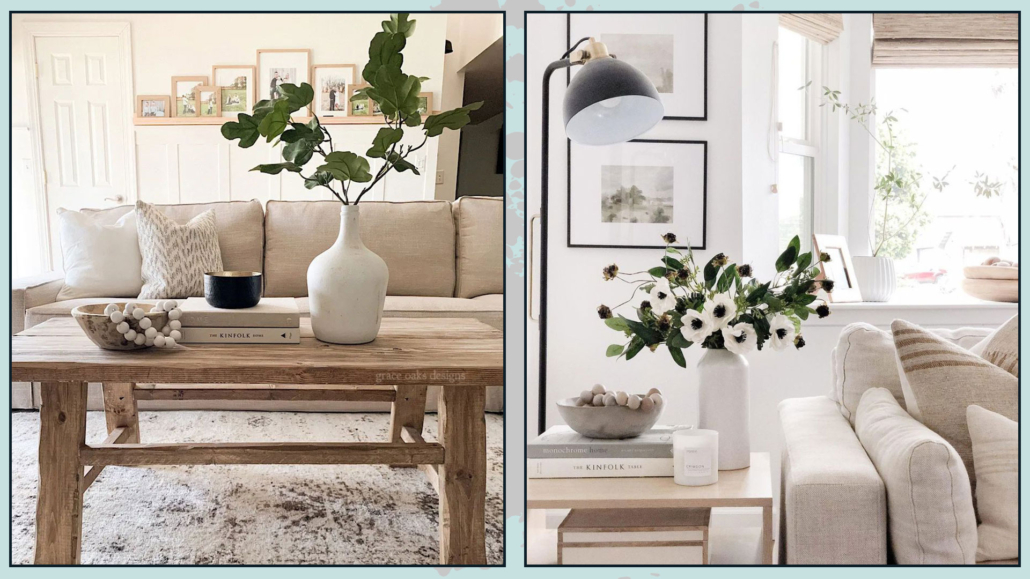
If you have a rectangular table, you can place a nice tray with a composition—of course, grouped in threes—and maybe add a beautiful vase of flowers or a plant next to it.

Your arrangement might include one or two stacked books, a candle, and a vase or another decorative item.

For a round table, it’s important to follow its shape by using a round tray or round vases.

If your table has a glass top and there’s a nice rug underneath, keep the decorations minimal and simple!

You can also switch up your décor with the seasons—fresh flowers and plants in summer, and leaves or pinecones in autumn and winter.

(credits: One Kindesign; homemakers.com; theturquoisehome.com)

– ENTRYWAY CONSOLE OR SHELF

We discussed this in the article (now also in video form): a console or shelf in the entryway is essential because it’s practical.

Having a mirror—either leaning against the wall or hung—is key so you can take a final look before leaving, and guests can quickly check themselves before entering.

You’ll also need a dish or tray to empty your pockets.

If there’s space, adding a lamp is a great idea: lighting is vital, and a table lamp creates a warm atmosphere.

And again, don’t forget to add a touch of nature here!

(credits: Decoist.com; ohmeohmyblog.com)

– NIGHTSANDS

Less is more—especially with nightstands.

The bedroom is for resting, so keep decorations to a minimum.

If you love bedside lamps, start with those, then add other items depending on the available space.

An alarm clock, a book, a small box, a photo—anything you love having close by will work perfectly!

(credits: savoldi.net; blogarredamento.com)

– SIDEBOARD

Decorate the entire surface by creating several small arrangements!

These arrangements should always follow the rules we discussed earlier and, of course, relate to each other, whether through materials or colors.

Another elegant idea is to place two identical lamps at each end for symmetry.

Then hang a painting or mirror in the center, finishing with a central arrangement that can be more or less prominent depending on the lamps and artwork.

Be sure to add some contrast—for instance, pair a wooden sideboard with metal or glass accents.

And if your sideboard is against a low wall, avoid tall items that could obstruct the sightline.

(credits: amazon.com; lighting)

JUST ONE MORE THING…

Before rushing out to buy anything new, try working with what you already have at home.

As I mentioned with the bookshelf, start fresh: clear everything out of each room, lay your items on the floor, and create your arrangements.

Start with the entryway and then move through the rest of the house!

You’ll refresh your space without spending a thing.

I hope you enjoyed this article on how to decorate surfaces and found it helpful.

If so, don’t hesitate to share it with someone you think might be interested; I would be honored, and it will help me gain more visibility.

If you need help with any room in your home, I would be honored to assist you. Book a personalized consultation today.

To decorate a home, a professional follows some concepts I talked about here (you can find the video here)

However, 3 elements are the very basis from which to start decorating your home like a pro would do…

Let’s see together what they are and how to use them at home easily using common things.

1 – EMPHASIS

This element is also known as the focal point.

To create eye-catching spaces, combine bold features with secondary details that still attract attention.

Start by identifying the area or feature you want to highlight.

Here are a few ways to create a focal point:

– Use color.

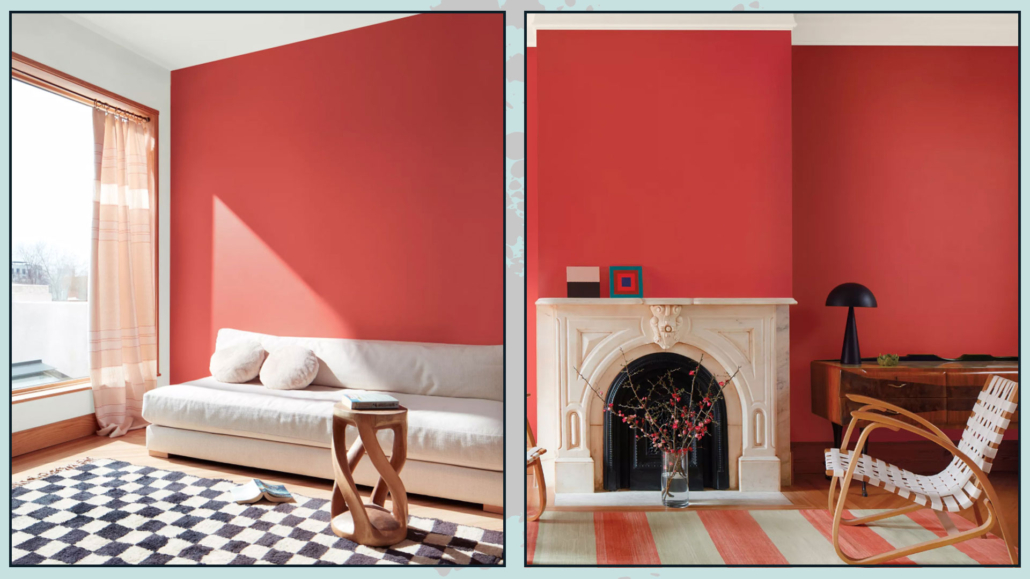
Paint a wall — or even just a portion of it — in a contrasting color.

Make sure to stick to your color palette, but choose a more saturated version of one of your preeminent colors to make it stand out!

(credits: Rugh Design; archimadestudio.com)

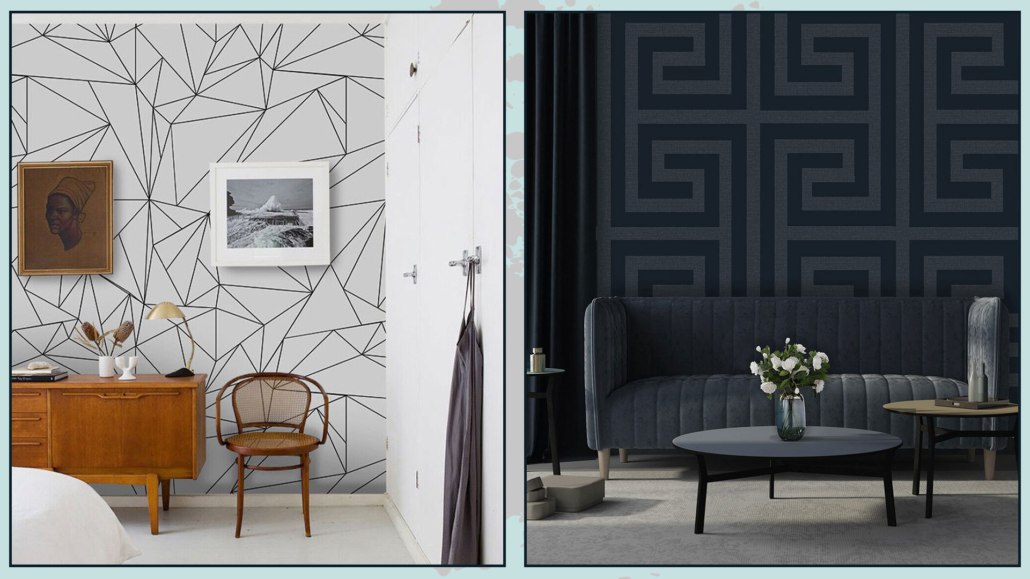
– Use wallpaper.

Wallpaper adds more than just color — it brings texture, depth, and movement.

It creates a bold visual statement that brings a sense of drama to the space.

Geometric patterns or bold prints work incredibly well!

(credits: vivadecora.com; etsy.com)

– Use artwork and mirrors.

Artwork and mirrors are fantastic for drawing attention.

Choose artwork, a gallery wall, or a mirror that fits the wall size and complements the surrounding furniture.

And don’t forget the lighting — a spotlight or two will help make your focal point even more effective.

(credits: pianetadesign.it; etsy.com)

– Use a piece of furniture.

Your focal point doesn’t have to be on a wall!

A designer armchair or a large sofa in a contrasting color can add personality and grab attention.

These pieces draw attention and maintain balance and warmth in the room.

(credits: casaclaudia.abril.com.br; ikea)

2 – COLOR AND PROPORTION (The 60-30-10 Rule)

A color palette should feel harmonious and balanced.

To achieve this, your palette needs to be carefully designed with a mix of neutral colors and accent colors!

Neutrals usually serve as the base or background because they are versatile and easy to pair with any style or color.

Accent colors give personality and character to the space!

To use colors in a balanced way—so they fit well within the space and work harmoniously together—you can follow the 60-30-10 rule.

Here’s how it works:

– 60% is the main color of the room, usually a neutral.
It covers most of the walls, the floor, and the larger pieces of furniture.

– 30% is the secondary color.
It supports the main color but should be different enough to attract attention and create visual interest.

The secondary color is often applied to one wall or part of a wall, or on smaller furniture like armchairs or rugs.

– 10% is the accent color, which can be bold or vibrant depending on the style or atmosphere you want to create.

The accent color stands out clearly.

It appears in small items such as cushions, decorative objects like vases or poufs, and artwork.

Following this rule will ensure your space feels balanced, well-proportioned, and visually appealing.

3 – MATERIALS AND TEXTURES

Materials and textures are truly essential elements in interior design because they add depth and character to a space, enhancing its overall look!

Every object has its own material and texture.

The secret is to find the right balance by mixing different materials and textures.

There are many ways to introduce textures and materials and create interesting, harmonious compositions:

– Mix different textures.

Add a throw blanket with a texture that contrasts with your sofa’s fabric, and maybe a few cushions in different fabrics. Don’t forget curtains and rugs, too.

Bring in an armchair made of contrasting materials.

The key is to place contrasting materials and textures close together.

(credits: casafacile.it; graziademonte.com)

– Add accessories.

Vases, baskets, trays, and candle holders bring texture and variety.

Group them with contrasting colors or materials for visual interest.

(credits: orsipanosinteriors.com; pinimg.com)

– Include plants and flowers.

Whenever I talk about plants and flowers, I mention how they add color and texture, so it’s no surprise to see them here again!

Plants are wonderful because you can add them to any style or color scheme.

Depending on the size of the plant or the pot, you can place them almost anywhere: from a corner of the room to your coffee table!

(credits: Brianne Penney; decor.by.dp)

These three elements are fundamental for creating truly amazing atmospheres.

They are the secret to decorating your home like a pro!

I hope you enjoyed this article and found it helpful.

If so, don’t hesitate to share it with someone you think might be interested; I would be honored, and it will help me gain more visibility.

If you need help with any room in your home, I would be honored to assist you. Book a personalized consultation today.

HOW TO USE AND FURNISH AN EXTRA ROOM

Let’s face it: it’s not often you have it… but if you do, let’s explore how to use and furnish an extra room!

If you’re lucky enough to have an extra room, you have a few options:

– Home office

– Guest bedroom

– Walk-in closet

– Home gym

– Playroom (for those with kids)

Let’s look at each option one by one.

HOME OFFICE

We’ve all seen how important it is nowadays to have a dedicated area at home for studying or working remotely!

If you’re lucky enough to have an extra room — even a small one — it could be the perfect spot to create your own home office.

Here are the essentials:

– A desk — and if it’s not large enough, consider adding a small side table for your printer.

– At least one bookcase.

– Proper lighting — general and, most importantly, task lighting for your desk.

Place your desk where it can receive as much natural light from the window as possible and, when done, arrange everything else.

Don’t be afraid to place the desk in the center if it doesn’t block the flow, but make sure you have a floor outlet.

Otherwise, keep it closer to the wall: loose cables are a tripping hazard!

Make the space comfortable using colors that help with focus, like blues or purples, or calming shades like greens.

Of course, stay within the color palette you’ve chosen for the rest of your home.

Add a few plants to purify the air and bring a bit of nature indoors.

And finally, personalize it with the decor you love so you positively feel at ease in your space!

(credits: yellowa.it; Decoist.com)

GUEST ROOM

If you often host friends and family, turning your extra room into a guest bedroom is the perfect choice.

Here are the must-haves:

– bed

– one wardrobe

– mirror — ideally full-length so guests can see their entire reflection

– Good general lighting and at least one bedside lamp

The wardrobe doesn’t need to be huge, but it should be empty and ready for guests to store their stuff.

Stick to mostly neutral colors so anyone can feel at ease; color preferences are very personal, so if you want to add color, do it in small accents.

Style the bed with simplicity but invitingly: use a soft bedspread and a few decorative pillows to add a touch of elegance.

To give it that extra flair, casually drape a throw blanket over the bed — ideally in a color that contrasts with the bedspread and matches the pillows.

Add cozy rugs so your guests feel pampered, especially if they walk barefoot.

Curtains are a must — not only for privacy but also to filter out light that might disturb their sleep.

A great idea is to use layered window treatments, with blackout curtains added for maximum comfort.

If you have space, include a small seat — even a pouf can work. It adds a decorative touch and gives guests a place to sit or remove their shoes.

Candles and home fragrances are also great finishing touches to create a warm, welcoming atmosphere.

(credits: studio-mcgee.com; duomodesign.it)

WALK-IN CLOSET

That is the (not-so-secret) dream of almost every woman!

But throwing four wardrobes into a room isn’t enough to make it a proper walk-in closet.

First, it’s paramount to understand how many clothes you need to hang and how many to fold.

That will help you determine the type of wardrobes or drawer units you need.

You might also want a dedicated shoes section — it’s something worth planning carefully.

Include a large mirror to see your total reflection while trying on outfits.

It can be wall-mounted or freestanding.

Consider adding a valet stand for clothes you have worn but don’t need to wash yet.

It’s also helpful to have a seat — it can serve as a handy surface and make it easier to put on or take off shoes.

A clever addition is a wide central surface (may be an island) where you can easily fold clothes.

It also doubles as extra storage space.

If you have enough room, consider adding a vanity where you can do your makeup and keep your jewelry.

It’s a chic and elegant touch that adds genuine charm to the space.

As always, pay attention to general and task lighting to see clearly inside your wardrobes.

(credits: NaturallyMary; bassettfurniture.com)

HOME GYM

If you’re into fitness, why not turn your extra room into your gym?

Start by ensuring the lighting is appropriate, then set up the equipment you use most often for your workouts.

A small cabinet or wardrobe can be helpful, too, for storing things like workout shoes and accessories.

Use vibrant, energizing colors like yellow to boost your motivation, but try to stay within your home’s overall color palette.

And yes, add some plants!

They help purify the air and bring a touch of nature into your workout space.

(credits: casamagazine.it; warehouse3c.top)

GAMES ROOM

If you have young (or not-so-young) kids, you surely know one thing: there’s never enough space!

So, dedicating your extra room to playtime might be the perfect idea.

This way, their bedroom can be reserved just for sleeping and studying, helping to separate different activities in a more functional way.

In a playroom, clever organization is key.

Use plenty of storage units and cabinets — ideally placed along the walls to keep the center of the room open for play.

A large, soft, easy-to-clean rug is essential so they can play on the floor without getting cold.

You might also create a cozy little reading nook with a bookshelf, a comfy seat, and (of course) a dedicated reading light.

Here’s your chance to go wild with colors: feel free to step outside your home’s usual palette and have fun with it!

(credits: adventuresofatwinmom.com; inspio.it)

HOW TO DECIDE?

How to choose the best way to use and furnish an extra room?

The answer starts with your needs: think about what you’re missing in your home and prioritize that.

You can also mix and match some of the options we’ve seen.

For instance, if you don’t have guests so often, you could place a sofa bed in your home office and have a space that combines a guest room and a workspace.

Or maybe you’d love a home gym, but you could still include extra storage for off-season clothes — the two can absolutely coexist!

(Credits: Liliana Zenaro Interiores; litzrealestate.com)

In short, there are no strict rules — just helpful ideas to guide you.

To get the most out of your extra room, focus on what you truly need and then plan the layout and design that best fits your lifestyle.

I hope you enjoyed this article on how to use and furnish an extra room and found it helpful.

If so, don’t hesitate to share it with someone you think might be interested; I would be honored, and it will help me get known.

If you feel that your home, or any part of it, doesn’t reflect you enough, don’t wait any longer: fall in love with your place again and book your consultancy!